Wyoming dinosaur mummies shed new light on duck‑billed species
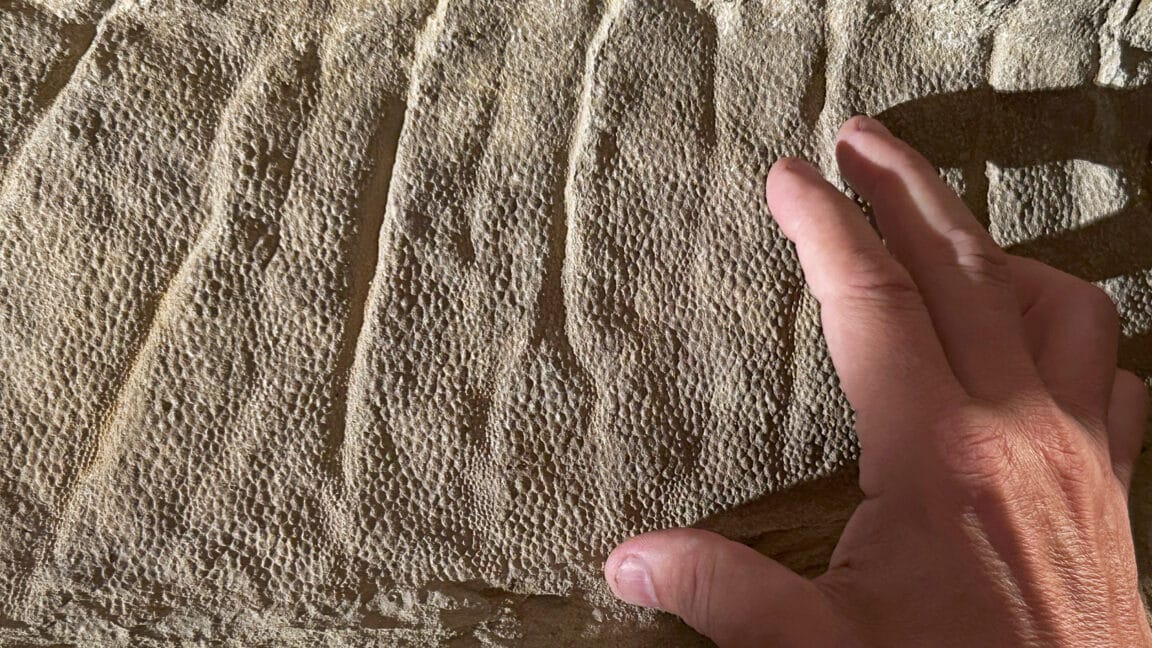
Scientists have unveiled exceptionally preserved dinosaur mummies from a remote site in Wyoming, offering unprecedented insight into the anatomy and possible behavior of duck‑billed, or hadrosaur, species. The fossils, recovered during a joint university‑government excavation earlier this year, include intact skin impressions, partial muscle tissue, and a remarkable arrangement of fossilized stomach contents.
Hadrosaurs, known for their broad, tooth‑filled snouts, were among the most common herbivores of the Late Cretaceous. While dozens of skeletal remains have been catalogued, few specimens retain soft‑tissue details. The Wyoming mummies, dating to roughly 75 million years ago, represent one of the most complete examples of this preservation style, comparable to earlier finds in Montana but with clearer articulation of the forelimbs and tail.
Researchers emphasized that the mummies allow paleontologists to refine reconstructions of skin texture, coloration patterns, and even aspects of metabolism. Microscopic analysis suggests the presence of a thick, scaly epidermis and possible pigment cells that could indicate muted, earth‑tone coloration, supporting theories that these large herbivores relied on camouflage rather than vivid displays. Additionally, the gut contents reveal a diet dominated by conifer needles and aquatic plants, confirming that hadrosaurs exploited a broad range of vegetation.
Officials from the state’s geological survey noted that the discovery underscores Wyoming’s significance as a repository of Late Cretaceous ecosystems. “Finds like these help fill gaps in our understanding of how these animals lived and interacted with their environment,” a spokesperson said, emphasizing the collaborative nature of the project, which involved federal, state, and academic partners.
Experts anticipate that the specimens will be studied for several years, with plans to use advanced imaging techniques such as synchrotron scanning to explore internal structures without damaging the fossils. The findings are expected to inform future models of dinosaur biomechanics and may influence how museums display hadrosaur specimens, moving toward more accurate, lifelike representations.
As the research progresses, the Wyoming mummies are likely to become a reference point for comparative studies worldwide, providing a tangible link to the diverse and thriving ecosystems that existed on the North American continent before the mass extinction event at the end of the Cretaceous period.