World Leaders Convene in Brazil for COP30 as U.S. Positions Its Climate Strategy
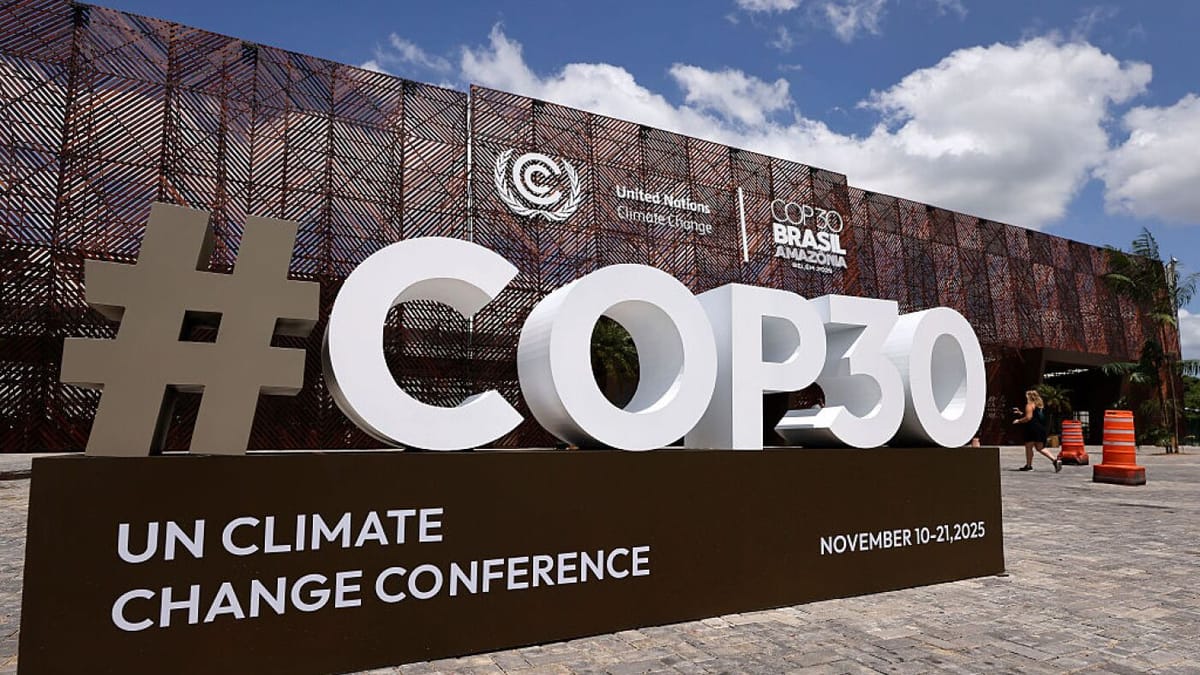
Leaders from more than 190 countries have gathered in Belém, a port city in Brazil's Amazon region, to launch the United Nations' 30th annual climate conference, COP30, on Monday. The summit follows months of preparatory meetings and aims to accelerate the implementation of the Paris Agreement as nations confront intensifying climate impacts.
The United States entered the talks with a draft plan that emphasizes voluntary emissions reductions, increased investment in clean‑energy research, and a focus on resilience in vulnerable communities. Officials described the approach as a “balanced” pathway that seeks to align economic growth with climate goals while respecting the differing capacities of developing nations.
COP30 builds on the outcomes of previous summits, notably the 2021 Glasgow agreement that pledged to phase down coal and boost climate finance. Analysts note that the Brazilian host expects the meeting to spotlight deforestation, given its Amazon backdrop, and to push for stronger commitments on adaptation funding. Environmental groups have warned that without concrete targets, the summit risks becoming a symbolic gathering.
Observers say the negotiations will likely produce a set of non‑binding recommendations rather than a new treaty, but the pressure on major emitters to deliver measurable progress is growing. The U.S. delegation is expected to work closely with European and Asian partners to shape a consensus on market‑based mechanisms and technology transfer. Failure to reach agreement could undermine upcoming climate finance discussions slated for next year. The final communiqué, due at the close of the week, will indicate whether the international community can coalesce around a unified roadmap for the next decade.