Witnesses Describe Chaos After Suicide Bombing in Islamabad
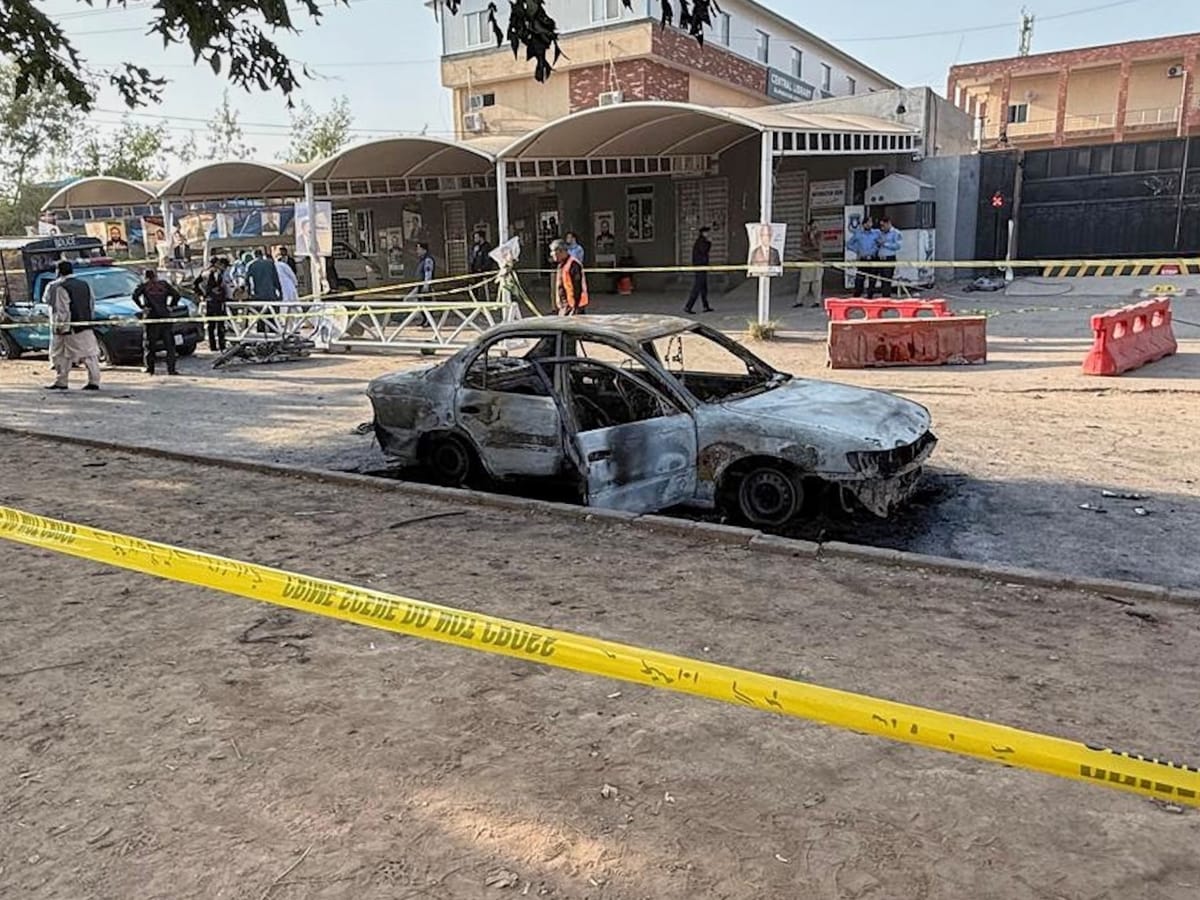
At approximately 12:30 p.m. local time (07:30 GMT) on Tuesday, a suicide bomber detonated an explosive device inside the cafeteria of Islamabad's District Judicial Complex, killing at least 12 people and injuring dozens more. Among the victims was 25‑year‑old lawyer Khalid Khan, who had been waiting for lunch with a colleague when the blast occurred.
Witnesses reported a sudden, deafening explosion followed by a wave of panic as smoke and debris filled the hall. Emergency responders arrived within minutes, evacuating survivors and transporting the injured to nearby hospitals. Authorities confirmed that the blast was caused by a suicide bomber wearing an explosive vest, though the identity of the attacker remains unknown.
The attack comes amid a broader pattern of violence in Pakistan, where militant groups have periodically targeted public spaces and government facilities. Security officials note that Islamabad, the capital, has generally been considered a relatively safe city compared to other regions, but recent months have seen an uptick in incidents linked to insurgent factions opposed to the government’s counter‑terrorism policies.
Government spokespeople condemned the bombing, describing it as a “heinous act of terror” and pledging a swift investigation. Senior officials indicated that a joint task force of police, intelligence agencies, and military units has been mobilised to trace the perpetrators and prevent further attacks. They also announced temporary heightened security measures at federal buildings and public venues across the city.
Analysts suggest that the bombing could prompt a reassessment of security protocols in high‑traffic government areas. While the immediate priority remains medical care for the victims and forensic analysis of the blast site, officials warned that the threat landscape remains volatile. The incident underscores the ongoing challenges faced by Pakistani authorities in balancing civil liberties with the need for robust counter‑terrorism strategies, and it is likely to shape security policies in the coming weeks.