White House Supports Increased Beef Imports Amid Growing Opposition
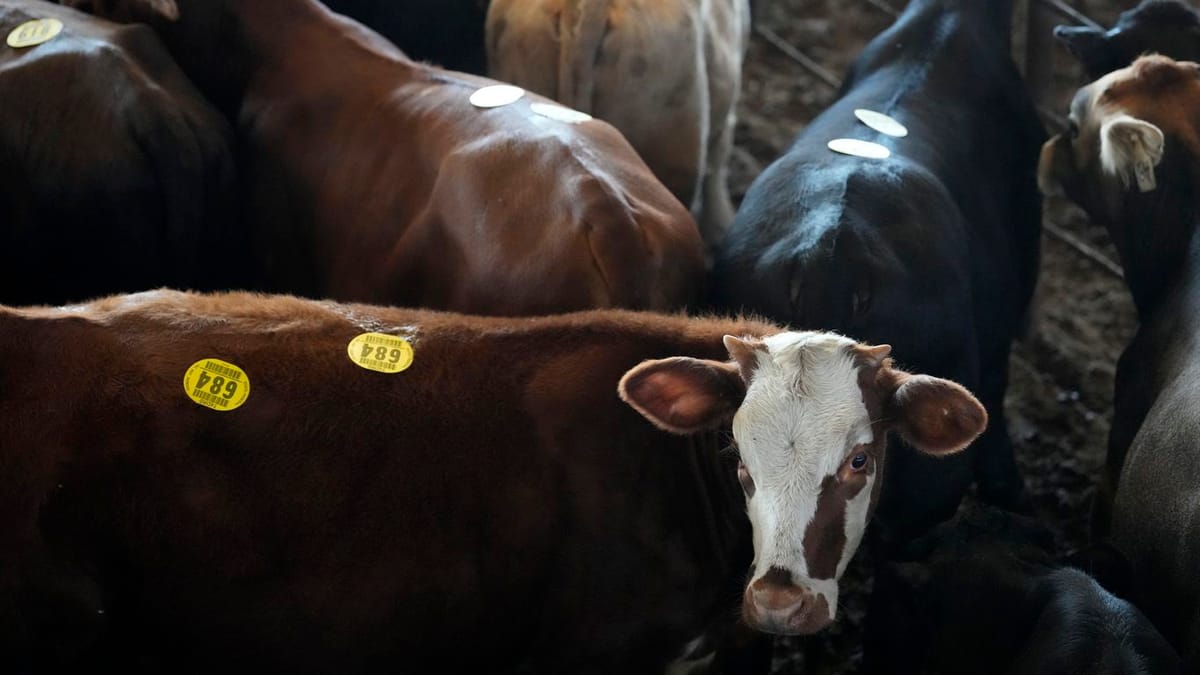
The administration announced its endorsement of expanded beef imports, citing rising domestic demand and persistent supply constraints. Officials said the move aims to stabilize market prices and ensure a steady flow of protein for American consumers while the nation grapples with production shortfalls.
U.S. beef producers have faced a series of structural challenges that have limited output in recent years. Prolonged drought conditions have reduced pasture availability, while herd sizes have contracted due to higher feed costs and lower breeding rates. In addition, labor shortages in processing facilities and lingering disruptions from the COVID-19 pandemic have further hampered the industry's ability to meet demand.
The policy shift has drawn criticism from agricultural groups and consumer advocates who argue that increasing imports could depress domestic prices and undermine local farms. Critics contend that reliance on foreign beef may erode the competitiveness of U.S. producers and discourage investment in long‑term solutions to the sector’s structural problems.
In response, White House officials emphasized that the import measures are temporary and designed to complement, not replace, domestic production. They highlighted that diversified supply sources can help mitigate price volatility for consumers, especially in regions where shortages have been most acute. Trade officials also noted that the United States continues to negotiate favorable terms with key exporting nations to ensure quality standards are maintained.
Analysts suggest that while imports may alleviate immediate market pressures, addressing the root causes of the supply gap will require coordinated action. Potential steps include targeted drought relief programs, incentives to expand herd sizes, and initiatives to attract and retain labor in meat‑processing facilities. The administration has indicated that it will monitor the impact of the import policy closely and adjust its approach as needed.
Overall, the decision reflects a balancing act between short‑term consumer needs and long‑term agricultural sustainability. Observers will watch how the combination of import measures and domestic policy adjustments shapes the U.S. beef market in the months ahead.