What’s behind Chancellor Rachel Reeves’s indecision on income‑tax hikes?
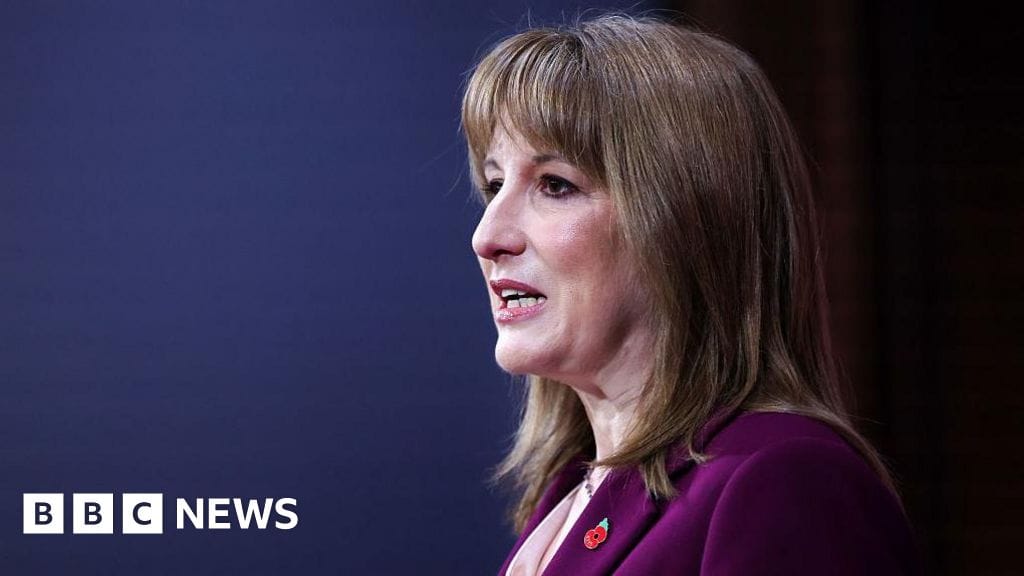
After weeks of speculation and mixed signals, Chancellor Rachel Reeves has confirmed that income‑tax rates will rise in the upcoming budget. The decision follows a period of intense debate within the Treasury and among senior government officials about the best way to balance public‑financing needs with the goal of sustaining economic growth.
Sources close to the Treasury say the move is driven primarily by the widening fiscal gap that has emerged as a result of higher public spending on health, education and social care, combined with slower-than‑expected tax receipts. Analysts note that the UK’s debt‑to‑GDP ratio has edged higher since the pandemic, prompting a reassessment of revenue‑raising options. By targeting higher earners, the government hopes to generate additional funds while minimizing the impact on lower‑income households.
Economic commentators have offered a range of interpretations. Some argue that the tax increase is a pragmatic response to the need for extra resources to fund upcoming infrastructure projects and to meet the government’s commitment to reduce the deficit. Others suggest that political considerations are at play, as the ruling party seeks to demonstrate fiscal responsibility ahead of the next general election. A senior official, speaking on condition of anonymity, said that “the decision reflects a careful weighing of fiscal sustainability and social priorities.”
In the broader context, the United Kingdom has seen a series of tax adjustments over the past decade, with periodic hikes to value‑added tax and corporation tax aimed at shoring up public finances. The current proposal aligns with a trend toward modest increases in personal income tax for top earners, a strategy that has been employed by several European economies facing similar budgetary pressures. Experts caution that while the additional revenue will aid short‑term fiscal targets, the long‑term impact on investment and consumer confidence will depend on how the funds are allocated.
Looking ahead, the Treasury is expected to outline the precise rate changes and the income thresholds that will be affected in the budget statement later this month. Stakeholders will be watching closely to see whether the raised revenues are earmarked for specific programmes or absorbed into general spending, a factor that could shape public perception and the political narrative surrounding the chancellor’s fiscal agenda.