UN Urges Safe Passage for Civilians Trapped in Sudan’s War‑Torn City of El‑Fasher
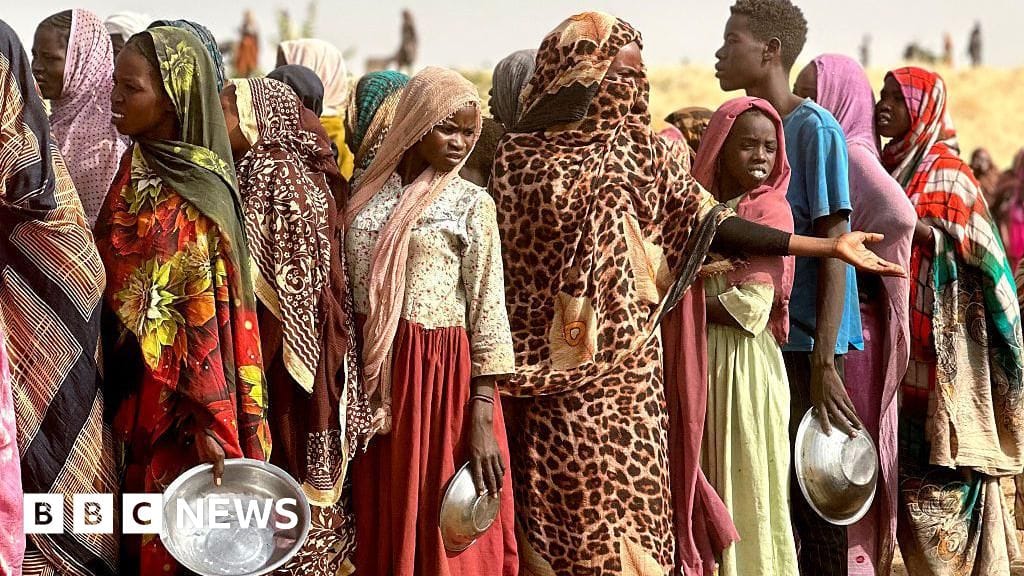
The United Nations has appealed for the establishment of safe passage routes for civilians stranded in the conflict‑ravaged Sudanese city of El‑Fasher, where intense fighting between rival armed groups has left thousands without access to essential services.
Since the outbreak of hostilities in April, El‑Fasher has become a focal point of the broader Sudanese power struggle, with the national army and the Rapid Support Forces exchanging artillery fire and ground assaults. Residents report that essential infrastructure, including hospitals, schools, and water supplies, has been severely damaged, and many families are unable to leave the city due to blocked roads and ongoing violence.
In response, UN officials have called on all parties to respect humanitarian principles and to allow the creation of protected corridors that would enable aid deliveries and the evacuation of vulnerable populations, particularly women, children, and the elderly. The UN Office for the Coordination of Humanitarian Affairs (OCHA) has indicated that it is ready to deploy teams to monitor any agreed routes and to coordinate with local authorities and international NGOs.
Humanitarian organizations operating in the region have welcomed the UN’s statement but warn that security guarantees are needed before aid convoys can move safely. A spokesperson for a leading aid coalition noted that previous attempts to deliver assistance were hampered by sporadic shelling and checkpoints, underscoring the urgency of a negotiated ceasefire in the area.
Analysts suggest that the establishment of safe passages could serve as a confidence‑building measure that might pave the way for broader negotiations between the warring factions. The international community, including the African Union and several European governments, has pledged to support diplomatic efforts aimed at de‑escalating the conflict and preventing a further humanitarian catastrophe in El‑Fasher and surrounding regions.