U.S. President Orders Military to Draft Plans for Operations in Nigeria
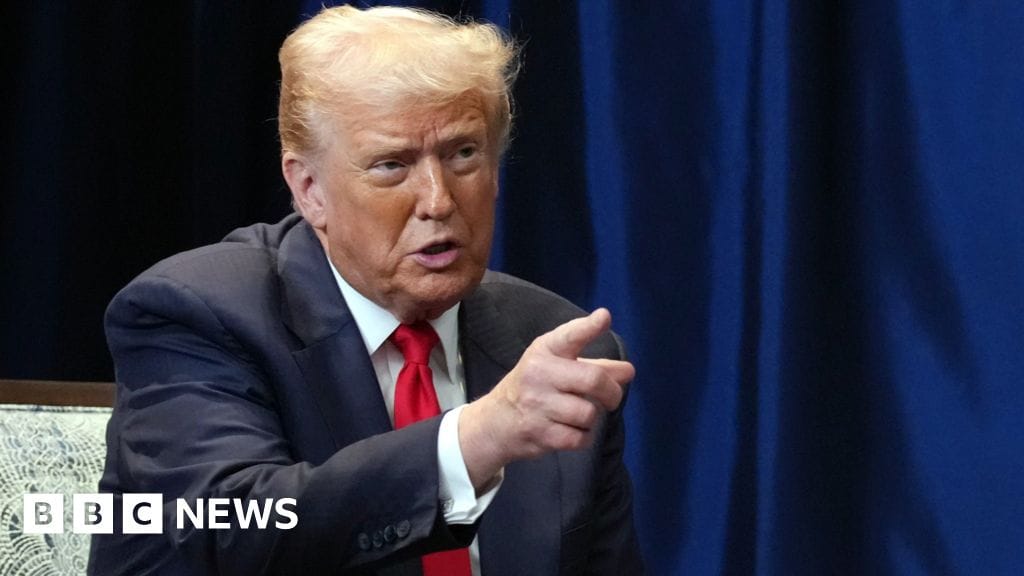
The White House announced that the U.S. president has directed the Department of Defense to develop contingency plans for potential military action in Nigeria, citing concerns over the ongoing threat posed by Islamist militant groups and the perceived inability of the Nigerian government to safeguard its Christian population.
The directive comes amid a protracted insurgency that has afflicted Nigeria’s northeastern region for more than a decade. Islamist militants, most notably the Boko Haram and its offshoots, have been responsible for thousands of deaths, mass displacements, and widespread humanitarian distress. While Nigerian security forces have made tactical gains, the conflict continues to generate instability that spills over into neighboring countries.
According to senior defense officials, the order does not constitute an immediate deployment but calls for the formulation of strategic options, including intelligence sharing, logistical support, and possible joint operations with regional partners. The plan will be reviewed by interagency committees to assess legal and operational considerations, and to ensure alignment with existing U.S. policy frameworks in Africa.
Reactions have been mixed. Nigerian authorities expressed concern over external involvement, emphasizing their ongoing efforts to combat the insurgency and warning that foreign military actions could complicate the delicate security environment. Regional bodies, such as the Economic Community of West African States, called for a coordinated response that respects national sovereignty while addressing the cross‑border nature of the threat. U.S. administration officials reiterated that any future steps would be taken in close consultation with the Nigerian government and would prioritize diplomatic solutions.
Analysts note that the announcement signals a potential shift in U.S. engagement in the Sahel and West Africa, where counter‑terrorism initiatives have traditionally relied on training and assistance rather than direct combat roles. They caution that any escalation could have broader geopolitical ramifications, including impacts on U.S. relations with other African partners and on the ongoing fight against extremist networks.
The forthcoming contingency plans are expected to be presented to senior policymakers within the next few weeks. Until a definitive course of action is determined, the United States has pledged to continue supporting humanitarian aid and capacity‑building efforts in Nigeria, while monitoring the security situation closely.