U.S. Housing Market Faces Growing Strain Amid Economic Pressures
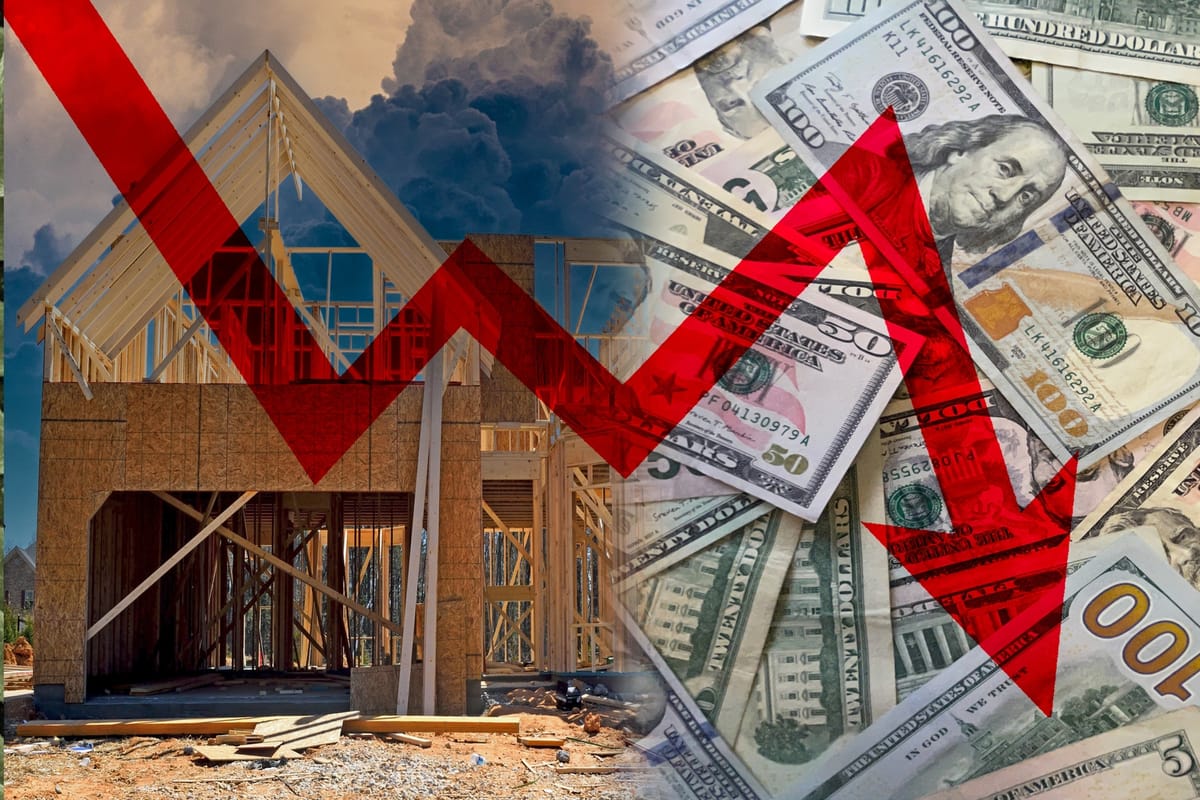
Recent data indicate that the United States housing market is entering a period of heightened stress as mortgage rates remain elevated and home price growth stalls. The median sale price of existing homes fell modestly in the latest monthly report, while the number of new listings rose, signaling a shift from the rapid appreciation seen in the previous two years.
The slowdown is largely tied to the Federal Reserve’s policy stance, which has kept the benchmark interest rate near a multi‑decade high to curb inflation. Higher borrowing costs have pushed the average 30‑year mortgage rate above 7 percent, making monthly payments substantially more expensive for prospective buyers. At the same time, inventory levels have increased as some owners choose to hold off on selling, further softening demand.
Consumers are feeling the impact across the board. First‑time homebuyers, who were already stretched thin by limited savings, now face longer waiting periods and tighter qualification standards. Existing homeowners with adjustable‑rate mortgages see their payments rise, while renters encounter rising rents as landlords attempt to offset higher financing costs. Housing affordability indexes, which had shown improvement earlier in the year, have slipped back toward historically low levels.
Economists and housing analysts caution that the current trajectory could exacerbate broader economic challenges if left unchecked. Some experts suggest that a gradual easing of monetary policy, combined with targeted fiscal measures such as down‑payment assistance programs, could help stabilize demand. Government officials have indicated that they are monitoring the situation closely and are prepared to coordinate with local authorities to address regional disparities.
Looking ahead, market participants will watch key indicators such as new home construction permits, mortgage application volumes, and consumer confidence surveys. If rates begin to moderate and employment remains resilient, the housing sector may avoid a deeper downturn. However, sustained pressure on affordability could prolong the correction, prompting policymakers to consider additional interventions to support both buyers and renters.