U.S. Funding Reductions Threaten Global Drive to Eradicate Cervical Cancer
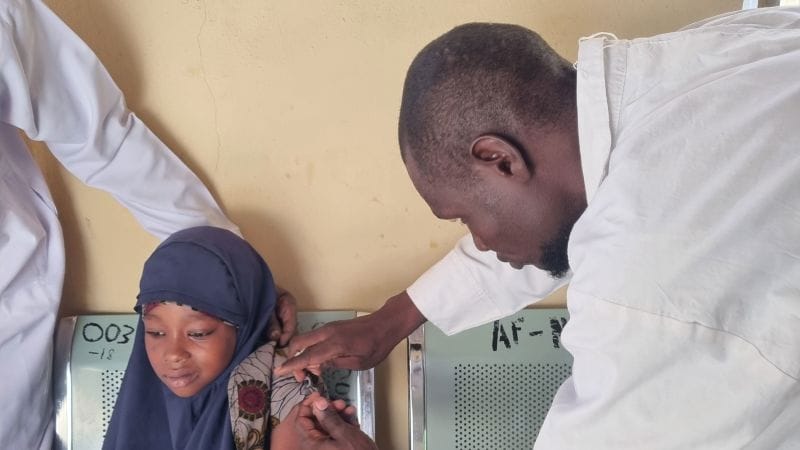
WASHINGTON — Recent reductions in United States financial support for international health programs are raising concerns about the viability of worldwide efforts to eliminate cervical cancer, a disease that the World Health Organization aims to eradicate by 2030. The story, produced in partnership with the Global Health Reporting Center and funded in part by the Pulitzer Center, highlights how the cuts could disrupt vaccination and screening initiatives in low‑resource settings.
Since 2018, U.S. aid has underpinned a coalition of governments, NGOs, and multilateral agencies that provide human papillomavirus (HPV) vaccines and training for cervical cancer screening in more than 30 low‑ and middle‑income countries. The latest budgetary adjustments, announced in the fiscal year 2025 appropriations bill, reduce the allocated amount by roughly 15 percent, prompting program managers to reassess rollout timelines and coverage targets.
In Nigeria’s northeastern Borno State, Maina Modu, an immunization officer, described the impact on the ground: “We have seen a slowdown in vaccine deliveries and a tightening of resources for community outreach. Without steady funding, we risk missing the cohorts of adolescent girls who need timely protection.” Modu’s comments reflect broader challenges faced by health workers who rely on external financing to maintain cold‑chain logistics and training workshops.
The funding shortfall arrives at a critical juncture. WHO estimates that achieving the 90‑70‑90 targets—vaccinating 90 % of girls by age 15, screening 70 % of women, and treating 90 % of identified cases—requires sustained investment of billions of dollars over the next decade. Interruptions could delay progress, particularly in regions where national health budgets are already constrained.
International health experts and donor‑aligned NGOs have urged policymakers to reconsider the cuts. A spokesperson for a global health alliance noted that “reliance on a single major donor creates vulnerability; diversified financing streams are essential to keep elimination on track.” Some governments are exploring supplementary funding mechanisms, including public‑private partnerships and domestic budget reallocations, to offset the anticipated gaps.
While the United States remains a leading contributor to global health, the recent reduction underscores the importance of coordinated, multi‑source funding to sustain momentum against cervical cancer. Observers stress that without prompt corrective action, the 2030 elimination goal could slip, prolonging the disease’s burden on women worldwide.