Two Protein Residues Enable Immunity Receptors to Support Nitrogen-Fixing Symbiosis
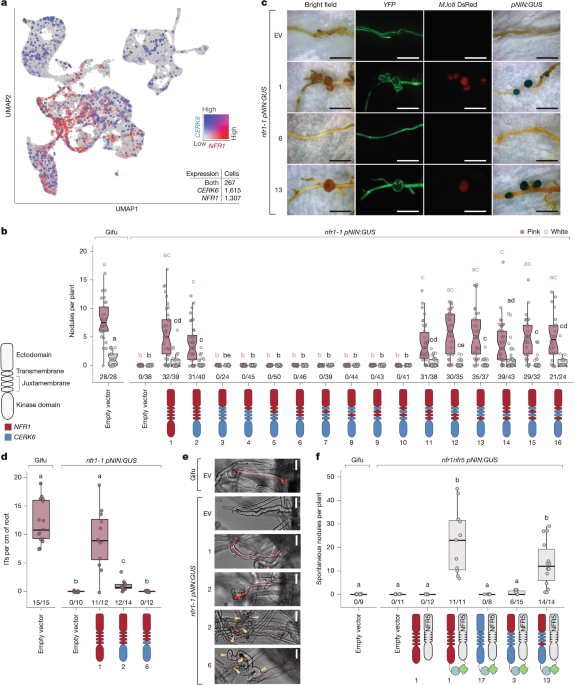
Scientists have identified two specific amino‑acid residues that can reprogram plant immunity receptors, allowing them to recognize and accommodate nitrogen‑fixing bacteria. The discovery, reported in the journal *Nature*, builds on earlier work that highlighted the role of LysM‑type receptors in distinguishing beneficial microbes from pathogens.
Plant LysM receptors bind to chitin‑derived molecules and are central to the innate immune system. In the new study, researchers demonstrated that swapping the two residues in the receptor’s ligand‑binding domain altered its specificity, enabling the receptor to interact with signaling compounds produced by rhizobial bacteria. This interaction triggers the formation of root nodules, where atmospheric nitrogen is converted into a form usable by the plant.
The experiments combined structural analysis, gene‑editing techniques, and symbiotic assays in model legume species. Plants engineered with the modified receptors showed a 45 % increase in nodule formation compared with unmodified controls, while maintaining normal resistance to fungal pathogens. The findings suggest that a minimal change in receptor architecture can shift the balance between defense and cooperation.
Experts note that the work provides a blueprint for engineering crops that can form efficient nitrogen‑fixing partnerships without the need for synthetic fertilizers. “These results illustrate how a subtle tweak in receptor chemistry can have a profound impact on plant‑microbe interactions,” a plant‑biology professor commented, emphasizing the potential for sustainable agriculture.
Future research will focus on transferring the approach to non‑legume crops such as cereals, where natural nitrogen‑fixing symbiosis is absent. If successful, the technology could reduce fertilizer dependence, lower greenhouse‑gas emissions, and improve soil health. However, researchers caution that extensive field testing and regulatory assessment will be required before commercial deployment.