Trump touts tariff revenue despite acknowledged flaws, NPR reports
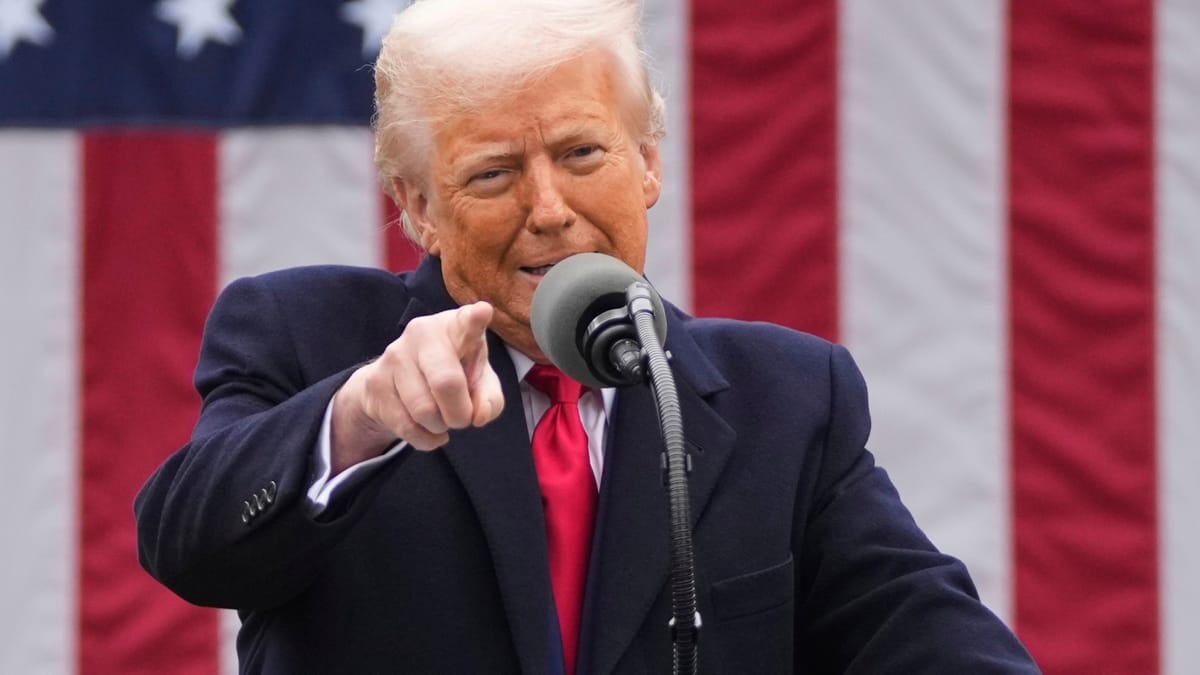
President Donald Trump has repeatedly highlighted the revenue generated by tariffs imposed on imported goods, arguing that the fees are paid by American businesses and ultimately passed on to consumers. In remarks made over the weekend, the president emphasized the "dividends" that the tariff program is delivering to the federal budget, positioning the policy as a fiscal win for the United States.
The tariff strategy, originally introduced as a tool to protect domestic manufacturers and address perceived trade imbalances, has generated several billion dollars in additional customs collections since its implementation. While Treasury officials have confirmed that the program adds to federal receipts, independent economic analyses point to significant drawbacks, including higher prices for consumer goods, disrupted supply chains, and retaliatory measures from trading partners. Critics note that the revenue gains may be offset by broader economic costs that are harder to quantify.
Economists and industry representatives have offered a mixed response. Some analysts acknowledge that the tariffs have indeed boosted short‑term revenue but caution that the long‑term impact on inflation and corporate profitability could be adverse. Trade groups have warned that higher import costs may erode consumer purchasing power, especially for lower‑income households. Government officials, speaking in general terms, have indicated that the administration is reviewing the overall effectiveness of the tariff regime and considering adjustments to balance fiscal benefits with economic stability.
Looking ahead, policymakers are expected to weigh the fiscal advantages against the broader economic implications as the administration prepares its next budget proposal. Analysts suggest that any future modifications to tariff rates or exemptions will likely aim to mitigate consumer price pressures while preserving revenue streams. The ongoing debate underscores the challenge of using tariffs as a revenue tool without incurring substantial trade and domestic economic costs.