Trump to Address Affordability Concerns as Border Patrol Deploys to Charlotte
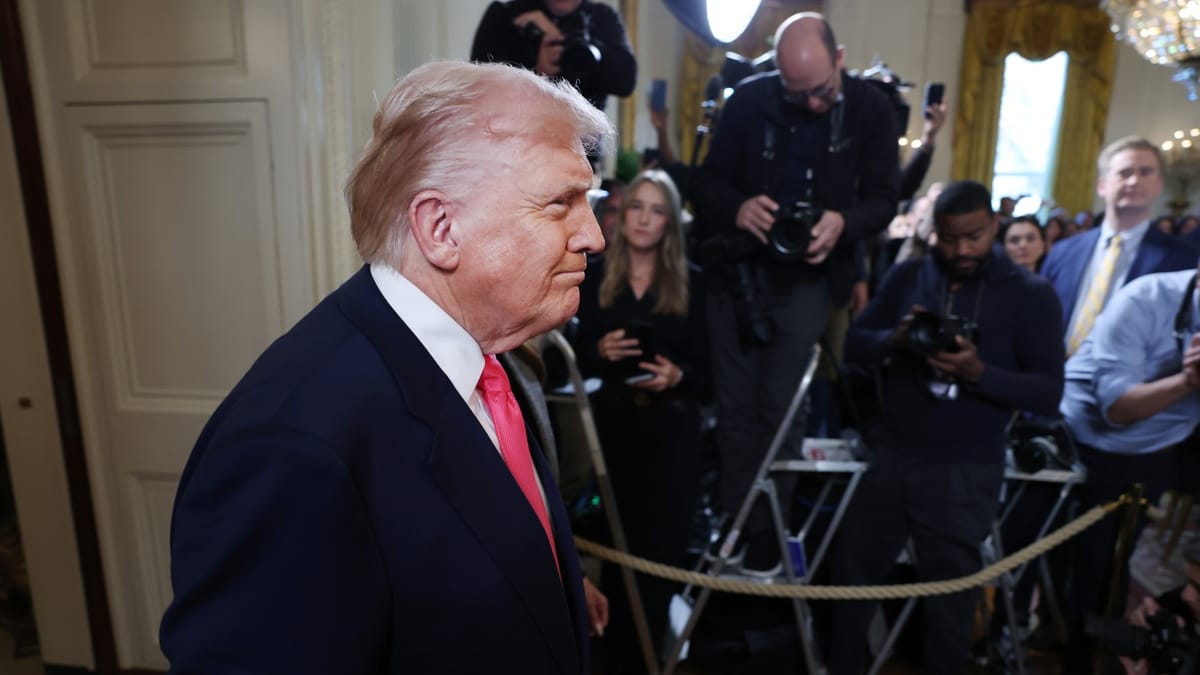
President Donald Trump is scheduled to deliver a nationally televised address later this week, focusing on the growing affordability challenges facing American families. The speech comes amid rising consumer prices, persistent wage stagnation, and heightened public debate over the federal government’s role in easing cost pressures. In the same briefing, officials announced that a contingent of Border Patrol agents will be dispatched to Charlotte, North Carolina, to support local law‑enforcement efforts related to cross‑border crime and human‑trafficking investigations.
During the upcoming address, the president is expected to outline a series of policy initiatives aimed at lowering housing costs, reducing prescription‑drug prices, and expanding access to affordable childcare. Senior administration officials have indicated that the plan will involve a mix of regulatory reforms, tax incentives for low‑income housing developers, and increased competition in the pharmaceutical market. While exact details remain under discussion, the administration has emphasized a “market‑driven” approach that seeks to harness private‑sector innovation while curbing bureaucratic obstacles.
The decision to send Border Patrol agents to Charlotte follows a reported uptick in illegal migration and trafficking activity in the region. Federal authorities have coordinated with the Charlotte-Mecklenburg Police Department to establish joint task forces that will focus on interdiction, intelligence sharing, and community outreach. The deployment, described by officials as a “temporary augmentation,” is intended to bolster local capacity while broader immigration enforcement strategies are evaluated.
Economic analysts have offered mixed assessments of the president’s affordability agenda, noting that while price‑control measures could provide short‑term relief, long‑term effectiveness will depend on sustained investment in affordable housing stock and healthcare infrastructure. Local officials in Charlotte welcomed the additional Border Patrol resources, citing concerns about recent spikes in related crimes, but also urged that enforcement be balanced with respect for civil liberties. Advocacy groups have cautioned that increased federal presence could strain community relations if not paired with transparent oversight.
Both initiatives are likely to shape policy discussions in the coming months. The president’s upcoming speech is expected to set the tone for congressional debates on budget allocations for housing and health‑care subsidies, while the Charlotte deployment may serve as a pilot for similar collaborations in other metropolitan areas. Observers will watch for any legislative proposals that emerge from these efforts, as they could signal the administration’s broader strategy for addressing economic hardship and border‑related security challenges.