Trump Targets Additional Cities for Upcoming ICE Crackdowns, Axios Reports
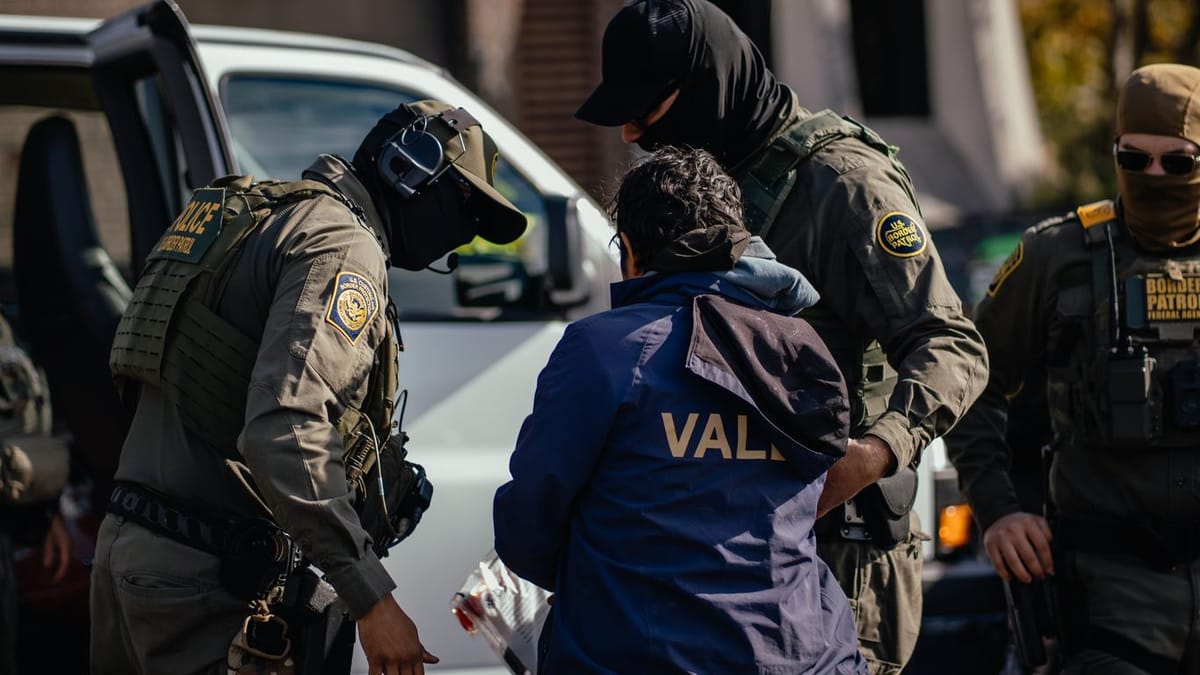
The White House has indicated that the administration plans to expand Immigration and Customs Enforcement (ICE) operations to a new set of major U.S. cities in the coming weeks, according to a report by Axios. The move follows a broader federal push to increase immigration enforcement ahead of the upcoming midterm elections, with officials saying the strategy is intended to address perceived gaps in local cooperation.
Among the municipalities mentioned are Chicago, Los Angeles, Dallas, New York City and Atlanta. These cities have previously expressed resistance to ICE activities, often implementing sanctuary policies or limiting local law‑enforcement cooperation with federal immigration agents. The report suggests that federal authorities will focus on neighborhoods with high numbers of undocumented residents and on individuals with criminal convictions.
ICE’s intensified focus reflects a shift that began earlier this year, when the agency reported a 15 % rise in arrests compared with the same period last year. Lawmakers from both parties have urged the department to prioritize removal of individuals deemed a public safety risk, while critics argue that the crackdown could strain community‑police relations and divert resources from other law‑enforcement priorities.
Local officials and immigrant‑rights groups have responded with caution and concern. A spokesperson for a city council in one of the targeted areas said the proposed actions could “undermine trust between residents and law‑enforcement agencies.” Meanwhile, representatives of advocacy organizations emphasized the need for due process and warned that aggressive enforcement might lead to family separations and economic disruptions.
Legal experts anticipate that the expanded operations could face challenges in courts, particularly in jurisdictions that have enacted local ordinances limiting ICE’s ability to conduct detentions. The administration, however, has signaled its intent to pursue the strategy despite potential lawsuits, citing national security and public safety imperatives. The coming weeks will likely reveal how the balance between federal enforcement and local autonomy unfolds across the nation’s largest cities.