Trump reiterates $2,000 tariff dividend promise as Supreme Court decision approaches
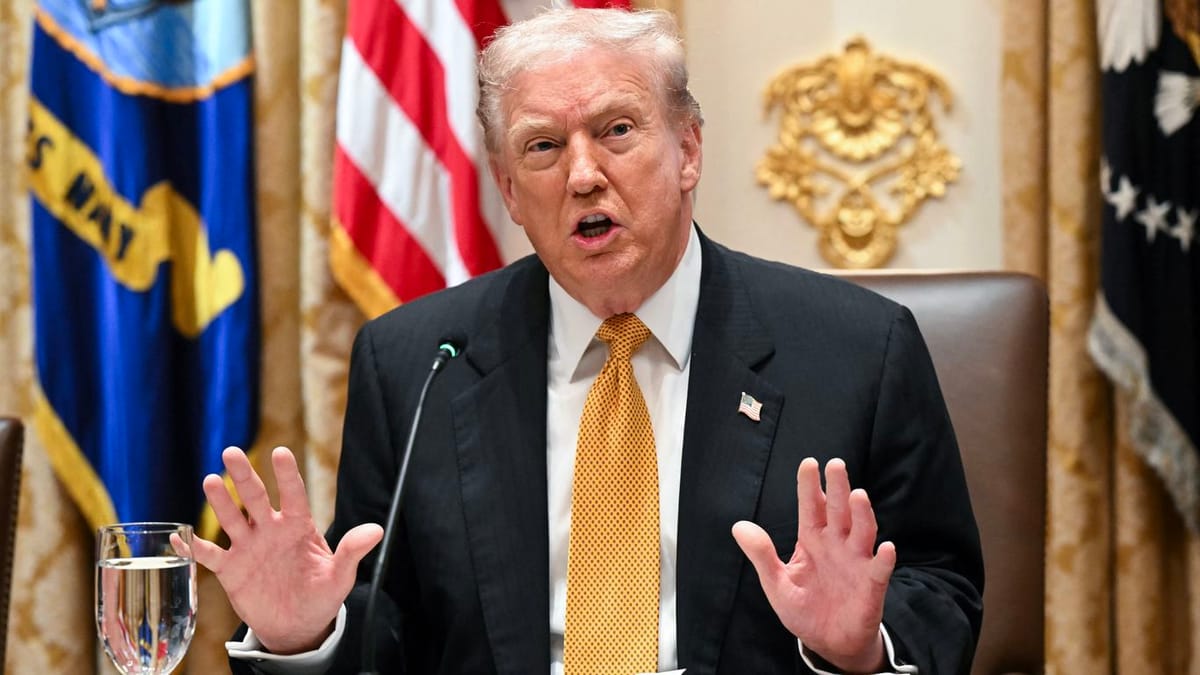
Former President Donald Trump renewed his pledge on Thursday to deliver a $2,000 "tariff dividend" to American households, asserting that the nation is currently collecting "trillions of dollars" in tariffs that can be used to reduce the federal debt and fund domestic investment. The statement came during a televised interview and was timed to coincide with a pending Supreme Court case that could alter the legal standing of several high‑profile tariffs imposed during his administration.
Trump’s dividend proposal, first introduced in 2022, envisions a one‑time cash payment funded by revenue generated from tariffs on imported goods, particularly from China and other trading partners. He claimed that the tariffs have already generated sufficient surplus to begin paying down the $37 trillion national debt and to support a surge in U.S. manufacturing, citing increased construction of plants and factories. While no detailed budget has been released, the concept relies on the continuation of existing tariff rates and the assumption that the revenue will be earmarked for the dividend rather than other federal expenditures.
Economic analysts expressed caution, noting that the actual fiscal impact of the tariffs is mixed and that the revenue has been partially offset by higher consumer prices and retaliatory measures from trade partners. A spokesperson for a bipartisan congressional committee said that any large‑scale distribution of tariff proceeds would require legislation and thorough accounting. Industry groups welcomed the notion of reduced borrowing costs but warned that uncertainty surrounding the Supreme Court case—centered on the authority of the executive branch to impose tariffs without explicit congressional approval—could affect the stability of the revenue stream.
As the Supreme Court prepares to hear arguments later this month, officials indicated that the outcome could reshape U.S. trade policy and, by extension, the feasibility of the dividend plan. In the meantime, the White House declined to comment on the specifics of the proposal, and Treasury officials reiterated that any direct payments to citizens would need to be authorized through the normal legislative process. The debate over the tariff dividend is likely to remain a focal point in discussions about fiscal responsibility and economic growth ahead of the upcoming election cycle.