Trump Prepares Tariff Reductions and Trade Deals to Lower Prices

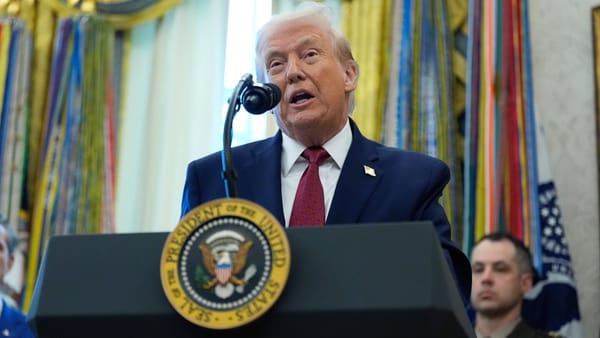
President Donald Trump announced on Thursday that his administration is preparing a series of tariff reductions aimed at curbing the recent surge in food prices. The move is presented as part of a broader "affordability push" that also includes the negotiation of new trade agreements intended to ease the cost of everyday goods for American consumers.
The proposed cuts would target a range of agricultural imports, including wheat, corn, dairy products, and certain meat categories, with tariff rates slated to be lowered by as much as 10 to 15 percentage points. In addition, the administration is considering partial relief for selected industrial goods, such as steel and aluminum, that were subject to higher duties after the 2018 trade actions. Officials said the adjustments are designed to balance the need for competitive pricing with the broader goal of protecting domestic producers.
The initiative comes amid persistent inflation pressures, with the U.S. Consumer Price Index showing food costs rising at their fastest pace in over a decade. Analysts note that the high price environment has heightened political scrutiny of trade policies, especially as the administration approaches the upcoming midterm elections. The proposed tariff easing contrasts with the previous administration’s more protectionist stance, signaling a potential shift toward a more flexible trade strategy.
Industry representatives welcomed the plan, stating that reduced import costs could translate into lower shelf‑price tags for consumers and help stabilize supply chains that have been strained by pandemic‑related disruptions. Consumer advocacy groups expressed cautious optimism, urging that any relief measures be implemented swiftly to address the immediate cost burden on households. Economic experts highlighted that while tariff cuts may provide short‑term price relief, their long‑term impact will depend on how quickly trade partners respond and whether complementary domestic policies are enacted.
Officials indicated that the tariff revisions could be finalized before the end of the year, pending congressional review and coordination with key trading partners. The administration also signaled an intent to reopen negotiations on broader trade deals, aiming to secure more favorable terms for U.S. exporters while maintaining a focus on consumer affordability. Observers will be watching closely to see how the proposals affect both domestic markets and the United States’ standing in global trade discussions.