Trump Increases Tariffs on Canadian Imports After Ontario's Reagan-Themed Ad
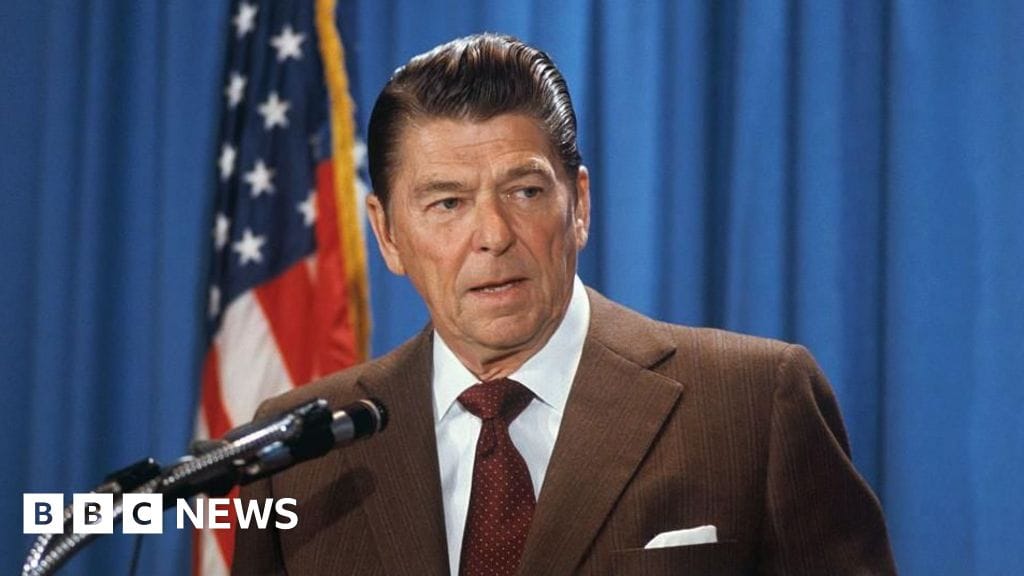
President Donald Trump announced on Thursday that the United States will raise tariffs on a range of Canadian goods by 10 percent, a move he said was prompted by a recent television advertisement aired in Ontario that featured former President Ronald Reagan warning against high tariffs. The ad, produced by a provincial tourism board, was intended to promote cross‑border travel but was interpreted by the White House as a political statement supporting lower trade barriers.
The new tariff increase will apply to a variety of products, including agricultural commodities, automotive parts, and certain manufactured goods. The Department of Commerce indicated that the measures will take effect 30 days after publication in the Federal Register, giving Canadian exporters a short window to adjust to the higher cost structure.
U.S. officials emphasized that the decision reflects a broader effort to ensure that trade policies remain reciprocal and that foreign jurisdictions do not use public messaging to undermine American economic interests. "We cannot allow external campaigns to influence the balance of trade," a senior administration spokesperson said, adding that the tariff adjustment is consistent with existing trade enforcement mechanisms.
Canadian authorities responded by describing the tariff hike as "unjustified" and "disruptive to long‑standing trade relations" between the two nations. The Canadian Ministry of Trade announced that it would consult with industry groups and consider filing a complaint with the World Trade Organization if the United States does not provide a clear justification for the measures. Analysts noted that the escalation could increase costs for North American supply chains that rely on integrated production networks.
Experts predict that the tariff increase may prompt negotiations aimed at de‑escalating the dispute, especially as both countries navigate broader economic challenges. In the meantime, businesses on both sides of the border are advised to review pricing strategies and explore alternative sourcing options to mitigate potential impacts.