Trump Calls on Republicans to Eliminate Senate Filibuster
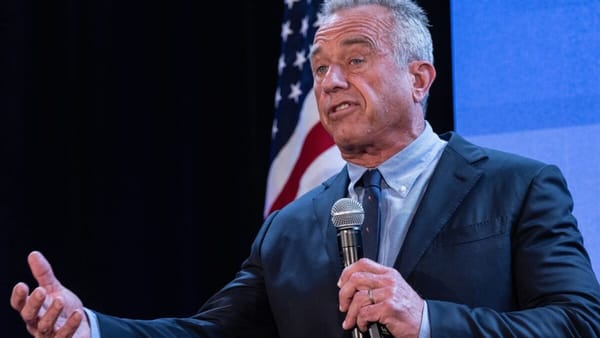
Former President Donald Trump urged Republican lawmakers on Thursday to scrap the Senate filibuster, arguing that the procedural rule hampers the party’s ability to enact its legislative agenda. Speaking at a rally in a Midwestern state, Trump framed the filibuster as an obstacle to delivering on promises made to voters, particularly on issues such as immigration, border security, and economic policy. He called on party members to “take decisive action” before the upcoming midterm elections, suggesting that reform could energize the base and improve electoral prospects.
The filibuster, a Senate tradition dating back to the early 20th century, allows a minority of senators to extend debate indefinitely and effectively block legislation unless a supermajority of 60 votes is secured. Over the decades, the rule has been invoked to shape major policy outcomes, from civil rights legislation to recent budget negotiations. While some lawmakers view it as a safeguard for minority rights and deliberative debate, critics argue that it contributes to gridlock and prevents timely action on pressing issues.
Republican leadership responded with measured caution, acknowledging the President’s call but emphasizing the need for a thorough review of procedural changes. Senior Senate officials noted that any amendment to the filibuster would require a change to Senate rules, a process that typically involves a two‑thirds vote of the full chamber. Democratic senators, meanwhile, warned that eliminating the filibuster could further polarize an already divided Congress and diminish opportunities for bipartisan compromise. Political analysts highlighted that past attempts to modify the rule—such as the 2013 “nuclear option” that lowered the threshold for certain nominations—were driven by specific political pressures and carried long‑term consequences.
Looking ahead, the debate over the filibuster is likely to intensify as both parties assess their legislative strategies for the next Congress. If Republicans were to pursue a repeal, they would need to secure sufficient support from across the aisle or from a sizable faction within their own ranks, a scenario that remains uncertain. Observers suggest that the discussion itself may influence voter perceptions, framing the filibuster as a symbol of broader institutional challenges facing the Senate.