Trump Calls for Meeting with North Korean Leader During Asia Tour
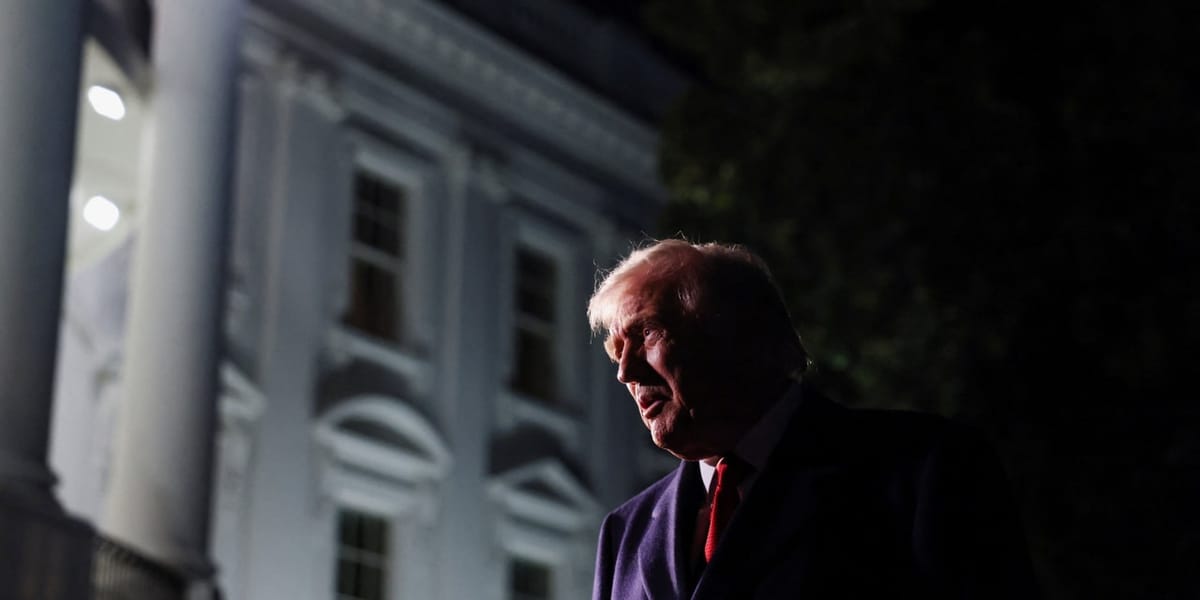
President Donald Trump departed Washington for his first Asian trip of his second term, using a press briefing to publicly request a face‑to‑face meeting with North Korean leader Kim Jong Un, a figure not listed on the official itinerary. The remark, delivered as the presidential motorcade headed to the airport, emphasized the desire to "put out the word" that direct dialogue remained a priority.
The request comes amid a fragile period in U.S.–North Korea relations. After the 2018 Singapore summit and the 2019 Hanoi talks, progress on denuclearisation stalled, and diplomatic contact has largely been limited to intermittent exchanges through intermediaries. Analysts note that any potential meeting would need to address unresolved issues such as the verification of nuclear dismantlement and the easing of sanctions.
Trump's scheduled visits include stops in Japan, South Korea, and Vietnam, where he is expected to discuss trade, regional security, and the Indo‑Pacific strategy. Neither the State Department nor the National Security Council confirmed a separate engagement with Pyongyang, and senior officials indicated that the agenda remains focused on existing bilateral meetings with allies in the region.
U.S. officials described the president's comment as an expression of continued openness to diplomatic channels, while cautioning that any meeting would require clear preconditions and reciprocal steps. Regional experts said a direct encounter could either revive stalled negotiations or risk further uncertainty if expectations are not aligned. Both sides are reportedly monitoring the situation closely, with South Korean authorities emphasizing the need for stability on the peninsula.
Looking ahead, the administration is expected to assess the feasibility of a summit during or after the Asian tour, weighing security considerations against the potential diplomatic gains. The broader international community, including allies and neighboring countries, will likely play a role in shaping the parameters of any future engagement, underscoring the complex interplay of regional politics and nuclear non‑proliferation efforts.