Trump Appeals Supreme Court to Reverse $5 Million E. Jean Carroll Verdict
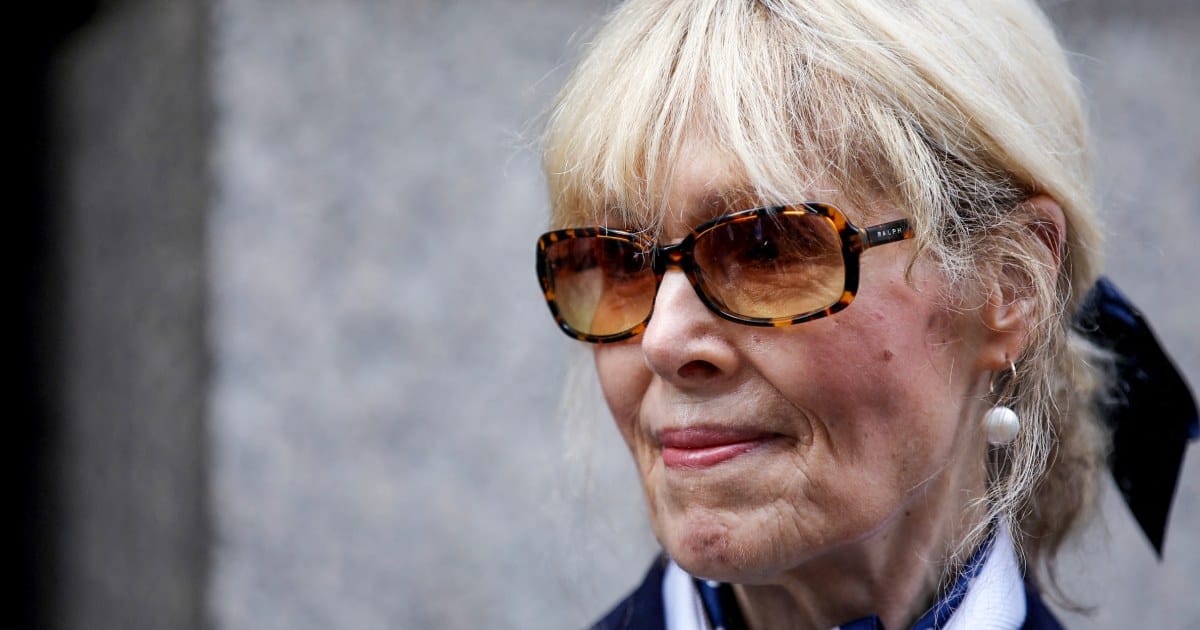
President Donald Trump asked the United States Supreme Court on Monday to review a civil judgment that found him liable for sexually abusing and defaming writer E. Jean Carroll, a decision that awarded the plaintiff $5 million in damages.
The case originated from Carroll’s 2019 lawsuit alleging that Trump had raped her in a department store dressing room in the mid‑1990s and subsequently denied the allegation, thereby damaging her reputation. A New York jury in May 2023 concluded that Trump had indeed committed the assault and that his public denials constituted defamation, leading to the monetary award.
Under the Constitution, the Supreme Court may grant a petition for a writ of certiorari to examine lower‑court rulings for legal errors. Trump's legal team filed a petition arguing that the trial court misapplied defamation standards and that the verdict infringes on his First Amendment rights. The Court typically receives thousands of petitions each term and selects a limited number for full review.
Legal analysts described the petition as a standard procedural move, noting that the Supreme Court has historically been reluctant to overturn jury findings in civil defamation cases absent clear constitutional issues. A senior law professor said, “The petition raises questions about the balance between free speech protections and accountability for false statements, but the bar for reversal is high.” Government officials, while not commenting on pending litigation, emphasized the importance of respecting the judicial process.
If the Supreme Court agrees to hear the case and ultimately overturns the verdict, the $5 million judgment could be vacated, potentially altering the legal landscape for defamation claims involving public figures. Conversely, a denial of the petition would leave the lower‑court decision intact, reinforcing the precedent that false public statements may be subject to civil liability. The outcome is expected to be closely watched by both legal scholars and political observers for its broader implications on free speech and accountability.