Trump Administration's Partial SNAP Funding Plan May Take Months, Officials Say
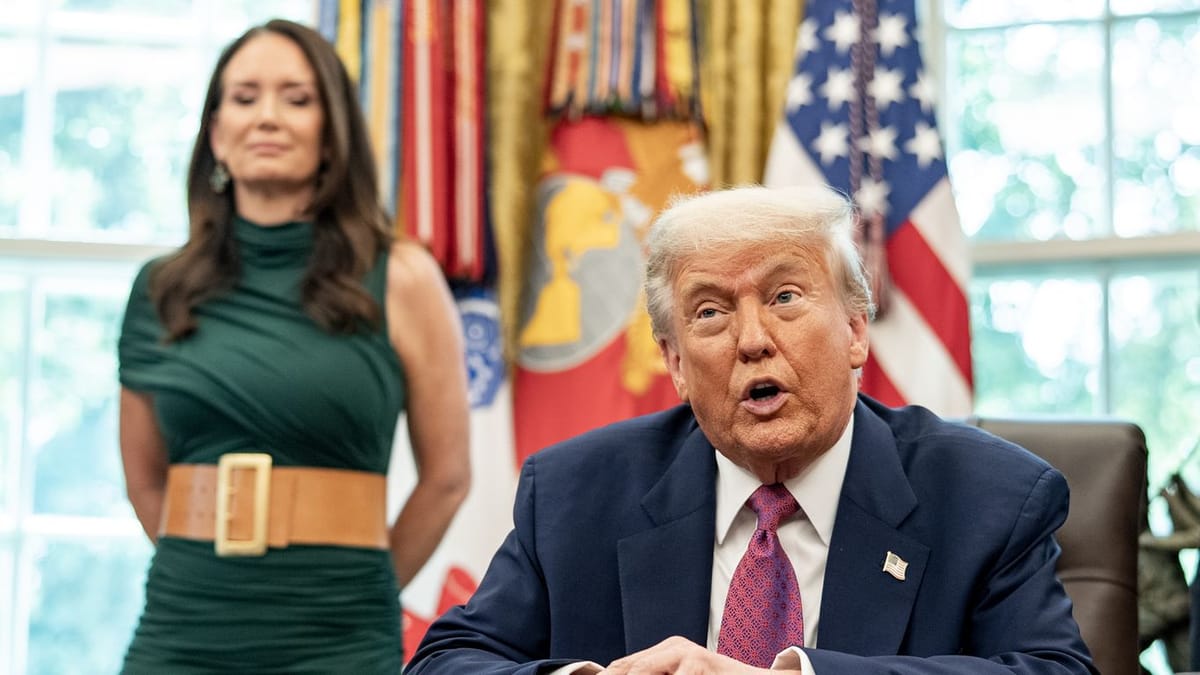
The U.S. Department of Agriculture announced on Monday that it will begin implementing a plan to provide only partial funding for the Supplemental Nutrition Assistance Program (SNAP) while it works to comply with a recent federal court order. In a filing submitted on behalf of Agriculture Secretary Brooke Rollins, the agency indicated that the partial funding approach is intended to satisfy the court’s directive without fully restoring the program’s budget at this stage.
SNAP, the nation’s largest food‑assistance initiative, provides monthly benefits to millions of low‑income households. The program’s funding has been the subject of legal and political disputes for several years, with recent litigation focusing on the administration’s attempts to reduce the budget allocated to the program. The court order referenced in the filing stems from a lawsuit that challenged the administration’s funding cuts as potentially violating statutory obligations to maintain adequate assistance levels.
Federal officials acknowledged that the partial‑funding rollout could extend over several months, citing the need to align budgetary allocations, update state distribution systems, and ensure compliance with reporting requirements. State agencies and policy experts expressed concern that delayed or reduced benefits might exacerbate food insecurity among vulnerable populations, especially as the nation approaches the winter season. Some analysts noted that the interim measure could create administrative burdens for states that must adjust to fluctuating funding levels while maintaining service continuity.
Looking ahead, the USDA said it will monitor the implementation closely and seek additional guidance from the courts to determine when full funding can be restored. Officials indicated that a final resolution could depend on further judicial review and congressional action on the broader budget. In the meantime, they emphasized a commitment to minimizing disruptions for SNAP recipients and urged stakeholders to remain informed about upcoming changes.