‘Teenage T. rex’ Fossil Reidentified as a Different Species
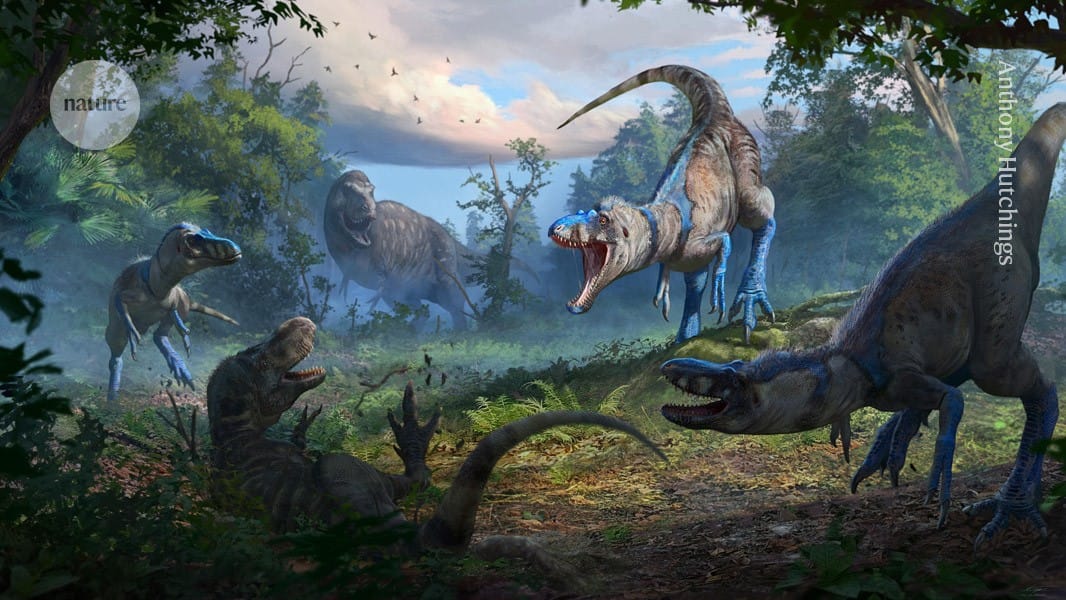
A fossil that had long been celebrated as a juvenile Tyrannosaurus rex—popularly dubbed the “teenage T. rex”—has been reassessed and determined to belong to a distinct theropod species. The specimen, originally uncovered in the Late Cretaceous deposits of North America, sparked excitement for its presumed insight into the growth stages of the iconic predator.
Since its first description, paleontologists have debated whether the skull and skeletal features represented a small, immature T. rex or a separate, smaller tyrannosaurid. The controversy centered on traits such as the proportion of the skull, the number of teeth, and the development of cranial ornamentation, which some researchers argued were inconsistent with known juvenile T. rex morphology.
In a recent study, a team of scientists employed high‑resolution CT scanning and bone histology to examine the fossil’s internal structure and growth patterns. The analysis revealed a mosaic of characteristics that align more closely with the genus Nanotyrannus, a taxon historically considered a possible juvenile form of T. rex but increasingly viewed as a valid, smaller species. The authors noted that the bone microstructure indicated a growth rate distinct from that of larger tyrannosaurids, supporting the reclassification.
The revised identification carries implications for understanding tyrannosaur diversity and ecosystem dynamics during the final stages of the Cretaceous. Experts suggest that the presence of multiple coexisting tyrannosaurid species could reflect niche partitioning, with smaller predators exploiting different prey or habitats. Ongoing research aims to locate additional specimens that could clarify the evolutionary relationship between Nanotyrannus and T. rex, while the scientific community anticipates further debate as new data emerge.