Supreme Court to Hear Challenge to Trump‑Era Tariffs in Test of Presidential Authority
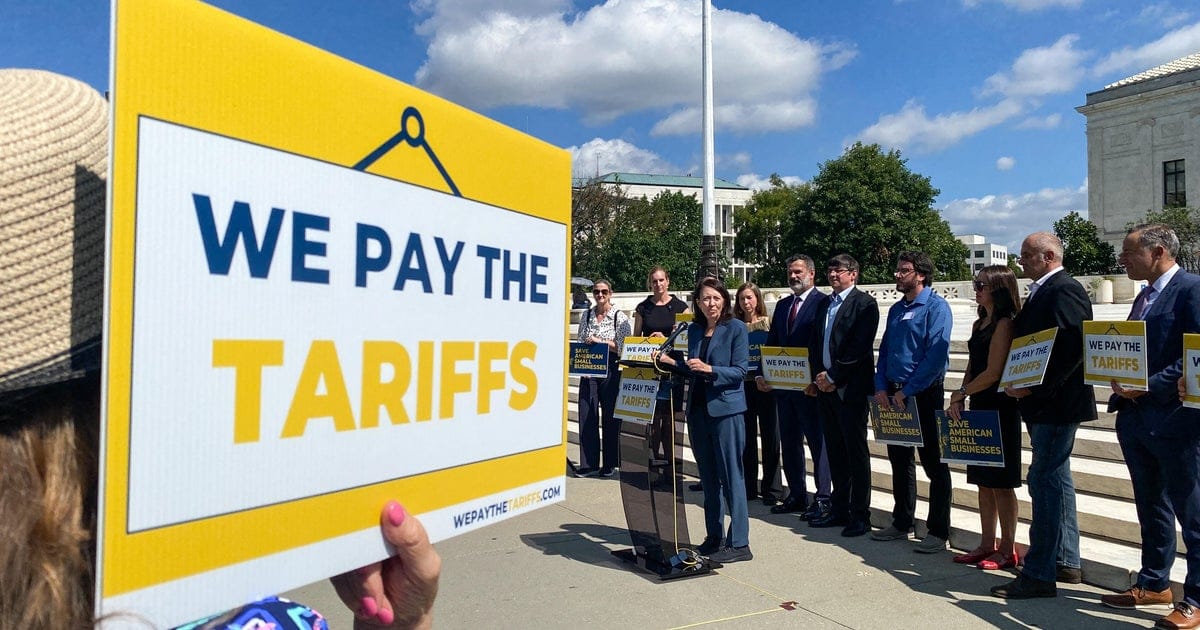
Washington — For Lindsay Hagerman, the past few months have felt tumultuous. As the co‑owner of Pennsylvania‑based RainCaper, a company that sells art‑inspired travel accessories and gifts, Hagerman has watched her business grapple with higher import costs after the Trump administration imposed a series of tariffs on goods from China and other countries.
The dispute has now reached the nation’s highest court. The Supreme Court is set to consider a case that challenges the legality of the tariffs, raising fundamental questions about the scope of presidential power to impose trade barriers without explicit congressional approval. Legal experts say the ruling could have far‑reaching implications for the executive branch’s ability to shape U.S. trade policy.
Background: In 2018, the Trump administration introduced sweeping tariffs aimed at addressing perceived unfair trade practices and protecting domestic industries. While supporters argued the measures were necessary to rebalance trade deficits, critics contended that the tariffs violated the Constitution’s separation of powers and harmed American consumers and small businesses. Several industry groups filed lawsuits alleging that the tariffs exceeded the president’s authority under the Trade Expansion Act of 1962.
In the present case, the petitioners—representing a coalition of small manufacturers and retailers, including RainCaper—assert that the tariffs have increased the cost of imported raw materials by as much as 20 percent, squeezing profit margins and forcing some to raise prices for customers. Government officials, speaking on behalf of the administration, maintain that the tariffs are a lawful exercise of executive discretion intended to protect national economic interests.
Legal scholars note that the Supreme Court’s decision will likely set a precedent for how far a president can act unilaterally in the trade arena. If the justices side with the petitioners, the ruling could compel Congress to play a more active role in authorizing future trade measures. Conversely, a decision upholding the tariffs would reinforce the executive’s latitude in responding to international economic challenges.
As the nation awaits the Court’s hearing, businesses like RainCaper are preparing for multiple outcomes. Industry analysts suggest that, regardless of the verdict, the case underscores the need for clearer legislative guidance on trade policy to provide stability for American exporters and importers alike.