Supreme Court Declines to Hear Case Over Pre‑Game Prayer at High School Football Games
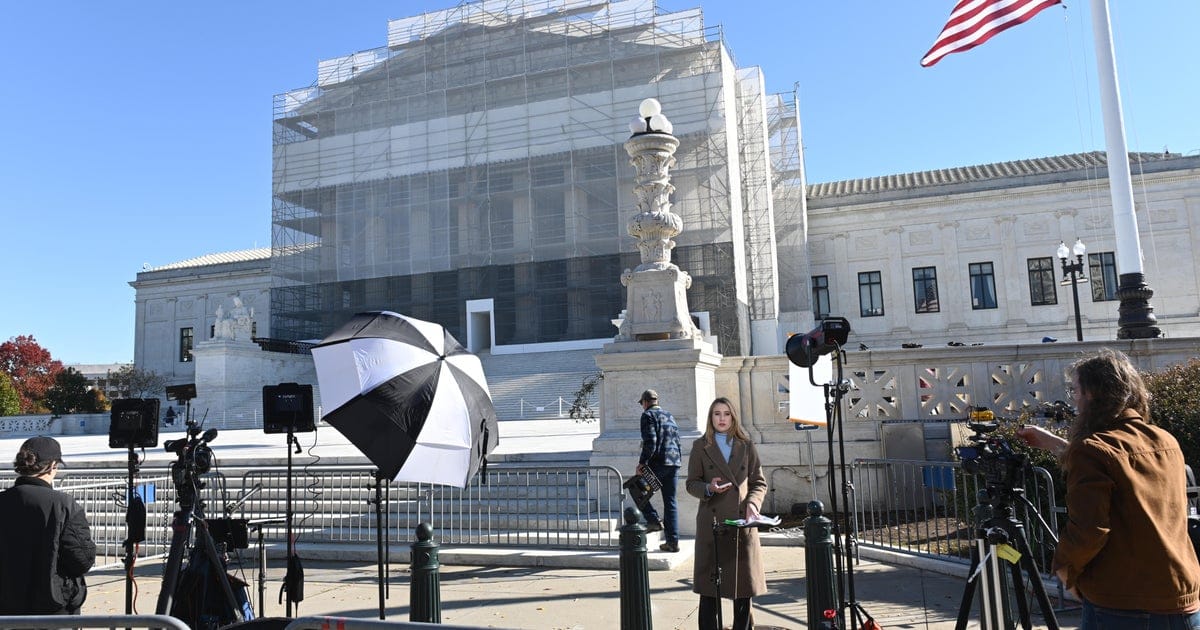
Washington — The United States Supreme Court on Monday refused to grant certiorari in a lawsuit brought by a Christian private school that sought to broadcast a prayer over the stadium loudspeaker before a state high‑school football championship. By declining to take the case, the Court left in place lower‑court rulings that barred the school’s request, effectively ending the immediate legal battle.
The dispute arose after the school, which competes in the state’s public‑school athletic association, asked the district to allow a brief, non‑sectarian prayer before the game. The district denied the request, citing the Establishment Clause of the First Amendment, which prohibits government entities from endorsing religious activities. The school argued that the ban infringed on its free‑exercise rights and that the loudspeaker system was privately owned.
Legal analysts note that the case presented a clash of constitutional principles that the Court has addressed in prior rulings, such as *Town of Greece v. Galloway* and *Kennedy v. Bremerton School District*. While lower courts have generally upheld restrictions on religious expression in public‑school settings, the Supreme Court’s recent docket has shown a willingness to reconsider the balance between free speech and establishment concerns. However, without a written opinion, the Court’s refusal to hear the case leaves the existing precedent intact.
Reactions were muted but predictable. Officials from the state education department reiterated their commitment to maintaining a neutral environment for all students, emphasizing that the decision aligns with longstanding policy. Civil‑rights groups praised the outcome as a safeguard for religious diversity, while some religious organizations expressed disappointment, calling the decision a missed opportunity to reaffirm faith‑based expression in public life. The school indicated it will explore alternative, non‑broadcast ways to hold its prayer, such as private gatherings before the game. The broader debate over religious activities at public events is likely to continue, with future cases potentially reaching the high court as the nation’s cultural and legal landscape evolves.