Study Links Maternal COVID-19 Infection to Higher Autism Diagnosis Rates in Children
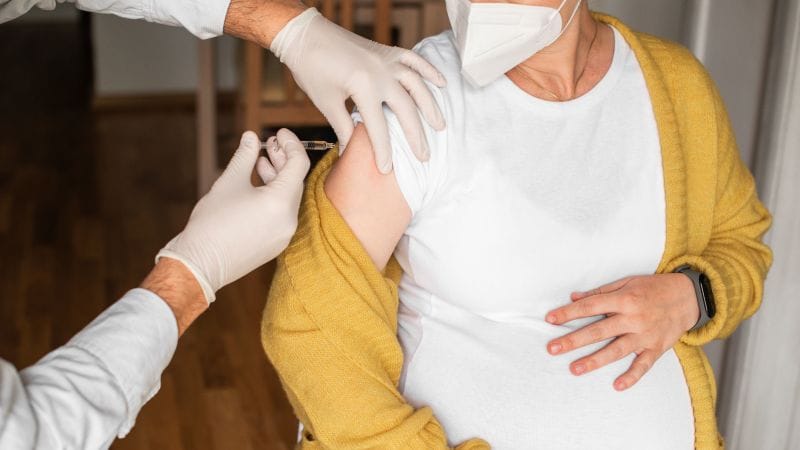
Researchers from a multinational consortium have reported that children whose mothers contracted COVID-19 during pregnancy show a modestly higher incidence of autism spectrum disorder and related neurodevelopmental conditions. The findings, published in a peer‑reviewed medical journal, stem from an analysis of health records spanning the first two years of the pandemic. The study’s lead summary noted that the observed increase, while statistically significant, does not imply certainty of causation.
The investigation examined more than 200,000 birth records from several European and North American health systems, comparing infants exposed in utero to a confirmed SARS‑CoV‑2 infection with a matched cohort of unexposed births. Researchers adjusted for maternal age, socioeconomic status, pre‑existing health conditions, and vaccination status. They reported a 15‑20 percent rise in autism diagnoses among the exposed group by age three, with a confidence interval that excluded zero, indicating a reliable association.
Scientists caution that the mechanisms behind the association remain speculative. Potential pathways include maternal immune activation, inflammatory responses, or disruptions to placental function, all of which have been linked to neurodevelopmental outcomes in prior research. Experts not involved in the study emphasized that the results should be interpreted as an early signal rather than definitive proof, noting that other unmeasured factors could contribute. They also highlighted the importance of continued monitoring as more children reach diagnostic age.
The authors recommend that healthcare providers discuss these findings with expectant mothers while reassuring them that the overall risk increase is modest. Public health officials indicated that the study underscores the value of preventive measures, such as vaccination and infection control during pregnancy. Further longitudinal studies are planned to verify the results and to explore whether specific timing of infection or severity influences the risk, aiming to inform future guidelines for maternal and child health.