Study Links Maternal COVID‑19 Infection to Higher Autism Diagnosis Rates in Children
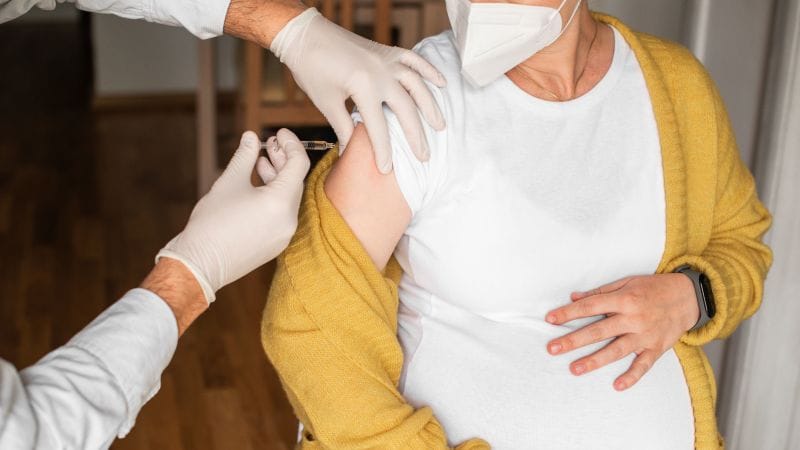
A new epidemiological study suggests that children born to mothers who contracted COVID‑19 during pregnancy are more likely to receive an autism spectrum disorder (ASD) diagnosis, as well as other neurodevelopmental conditions, compared with peers whose mothers were not infected. The research, released this week, adds to a growing body of literature examining the long‑term health impacts of the pandemic on the next generation.
The investigators analyzed health records from more than 150,000 births across several U.S. states between March 2020 and December 2022. Using a matched‑cohort design, they compared outcomes for infants whose mothers tested positive for SARS‑CoV‑2 during any trimester with those whose mothers tested negative throughout pregnancy. After adjusting for variables such as maternal age, socioeconomic status, and pre‑existing medical conditions, the study found a 30‑percent increase in ASD diagnoses among the exposed group by age five. The researchers also noted modest rises in attention‑deficit/hyperactivity disorder and language‑delay diagnoses.
Lead investigators from a Massachusetts research institute emphasized that the findings are observational and do not establish direct causality. “Our data indicate an association that warrants further investigation,” one senior researcher said in a statement. Public‑health officials described the results as “a signal that underscores the importance of protecting pregnant individuals from infection,” while pediatric specialists cautioned against alarm, noting that the absolute risk remains relatively low. Potential biological mechanisms discussed include maternal inflammation, altered placental function, and the direct effects of viral particles on fetal brain development.
Experts recommend that healthcare providers continue to monitor neurodevelopmental milestones in children with prenatal COVID‑19 exposure and that pregnant people receive up‑to‑date vaccinations and preventive care. The study’s authors call for additional longitudinal research to confirm the association and to explore whether specific timing of infection or severity of maternal illness influences outcomes. Until more definitive evidence emerges, clinicians are advised to follow existing screening guidelines and to counsel families based on the broader context of each child’s health.