Study Finds Ultra‑Processed Foods Raise Risk of Precancerous Colon Polyps in Women Under 50
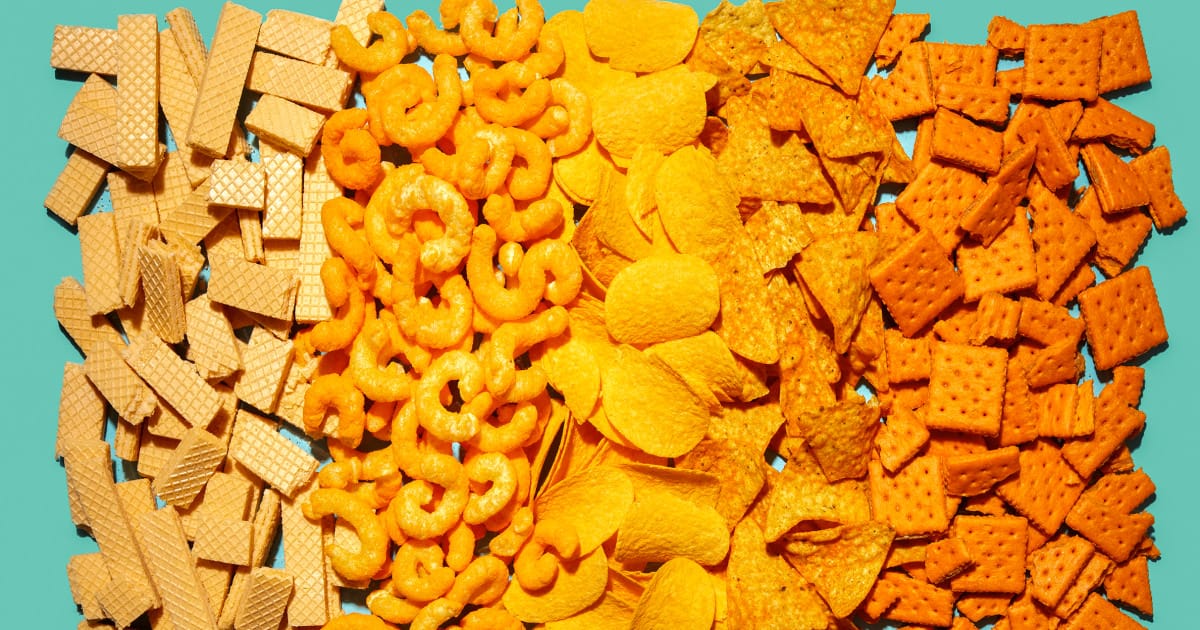
Eating a diet high in ultra‑processed foods has been linked to a higher likelihood of developing precancerous colorectal polyps among women younger than 50, according to research published Thursday in JAMA Oncology. The study examined dietary patterns and colonoscopy results from a large cohort of adult women, finding that those who consumed the greatest proportion of ultra‑processed items showed a statistically significant increase in polyp incidence compared with peers who ate fewer such foods.
Researchers analyzed data from more than 100,000 participants who provided detailed food‑frequency questionnaires and underwent routine screening colonoscopies over a ten‑year period. Ultra‑processed foods were defined using a standardized classification system that includes items such as packaged snacks, sugary beverages, processed meats, and ready‑to‑eat meals. After adjusting for age, body‑mass index, smoking status, and other lifestyle factors, the highest consumption group exhibited roughly a 30% greater risk of having at least one adenomatous polyp, the type most commonly associated with progression to colorectal cancer.
The findings add to a growing body of evidence that diet quality influences early markers of colorectal disease. Health experts note that while the absolute risk for any individual remains modest, the prevalence of ultra‑processed foods in modern diets makes the public‑health implications notable. Previous investigations have linked similar dietary patterns to obesity, type 2 diabetes, and cardiovascular disease, suggesting a broader metabolic impact. The study’s authors caution that the observational design cannot prove causation, but they recommend that dietary guidelines emphasize whole, minimally processed foods as a preventive strategy.
Public health officials and medical societies are expected to review the results as part of ongoing efforts to update screening recommendations and nutritional advice. In the meantime, clinicians are advised to discuss dietary habits with patients, particularly younger women who may not yet be eligible for routine colon cancer screening. Further research, including controlled intervention trials, will be needed to clarify the mechanisms by which ultra‑processed foods may promote polyp formation and to determine whether reducing their intake can lower long‑term cancer risk.