Spanish Police Detain 13 Suspected Members of Venezuela’s Tren de Aragua Gang
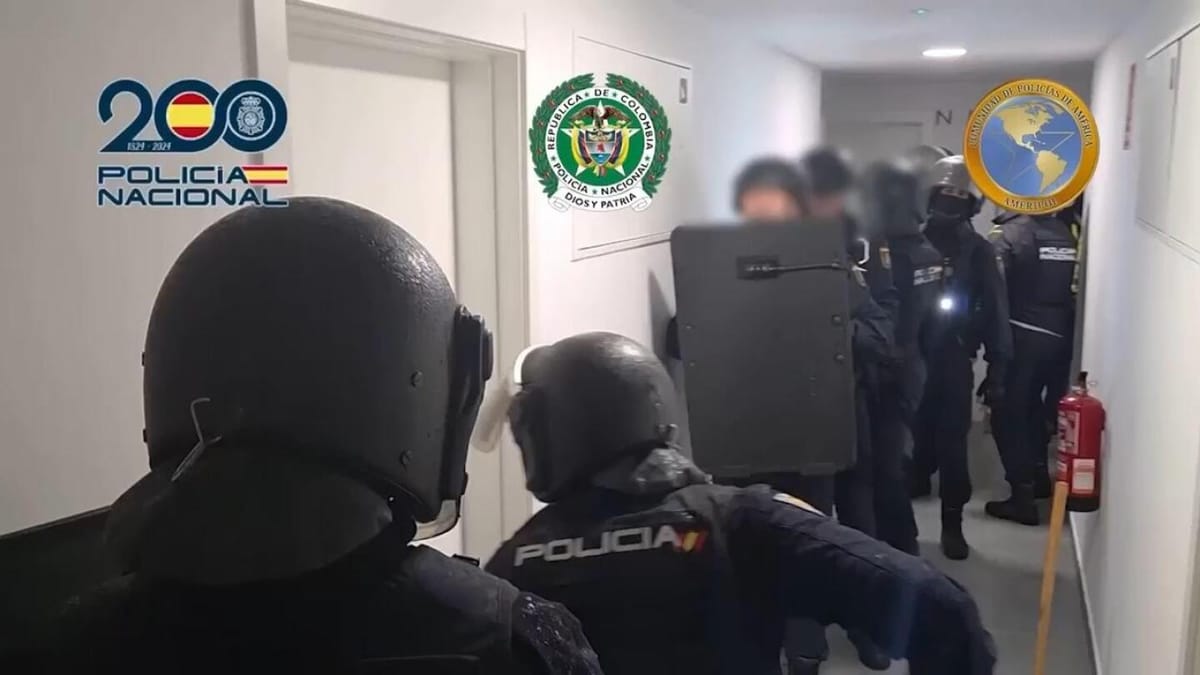
Madrid, Spain – On Friday, Spanish law‑enforcement officials announced the arrest of 13 individuals suspected of belonging to the Venezuelan criminal organization known as Tren de Aragua. The operation, carried out by the National Police in coordination with the Civil Guard, took place in several locations across the capital region and resulted in the seizure of a substantial cache of narcotics and the dismantling of two clandestine drug‑manufacturing sites.
Authorities reported that the seized substances included several kilograms of cocaine, heroin, and synthetic cannabinoids, as well as precursor chemicals used in drug production. In addition to the narcotics, police uncovered equipment for processing and packaging, indicating that the laboratories were fully operational and intended for distribution throughout Europe. The material was estimated to have a street value in the millions of euros.
Tren de Aragua, originally based in the Venezuelan state of Aragua, has been linked to a wide range of illicit activities, including drug trafficking, extortion, and money laundering. Over the past decade the group has expanded its reach beyond South America, establishing networks in Europe and North America. Spanish officials have noted that the gang’s presence in the country reflects broader trends of transnational criminal groups exploiting migration routes and financial systems to move drugs and illicit funds.
In a press briefing, a senior police spokesperson emphasized that the arrests were the result of months of intelligence gathering and cooperation with European partners. The spokesperson indicated that the detainees will face charges related to drug trafficking, organized crime, and possession of illegal substances, and that investigations are ongoing to identify additional members and financial backers. Officials also highlighted the importance of continued collaboration with international agencies to disrupt the gang’s operations.
Legal experts predict that the case could lead to further crackdowns on organized crime networks operating in Spain, especially those with links to South America. The government has signaled its intent to strengthen border controls and enhance forensic capabilities to prevent similar drug‑manufacturing activities. The investigation remains active, and authorities expect to file additional charges as more evidence is examined.