SpaceX to Launch Record-Breaking 133rd Falcon 9 Mission of the Year
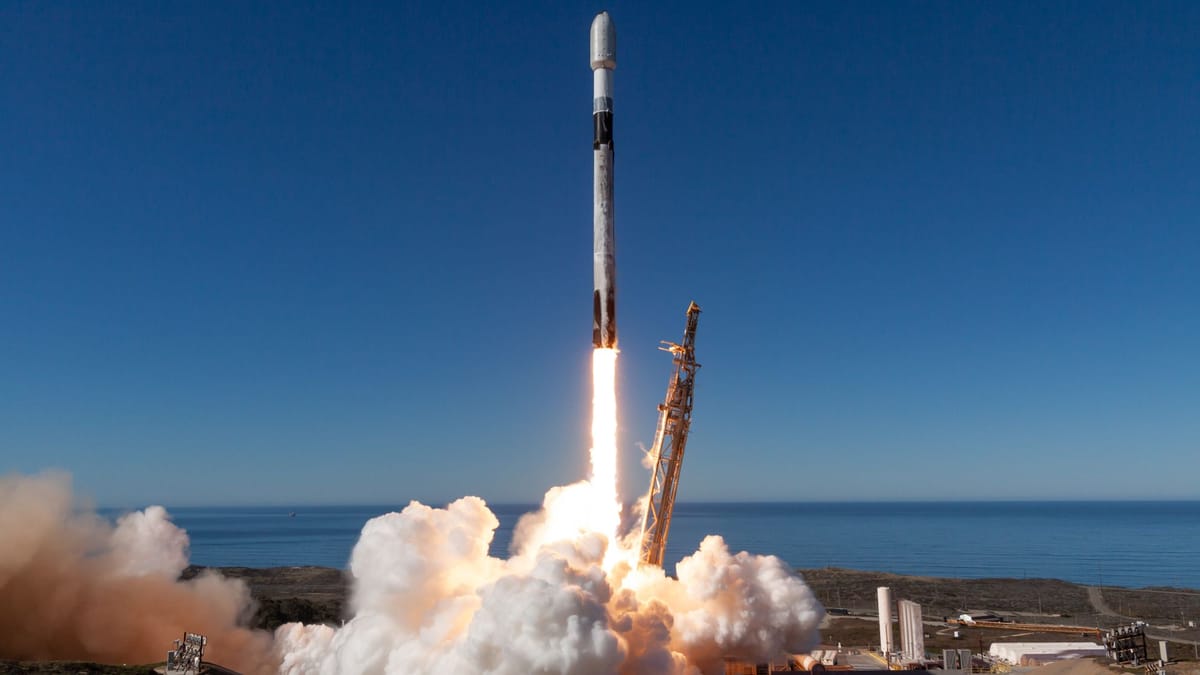
SpaceX is set to lift off today with its 133rd Falcon 9 launch of the calendar year, a new milestone that surpasses the company’s own previous record. The mission will place 28 Starlink broadband satellites into low‑Earth orbit, adding to the rapidly expanding constellation that provides internet coverage to remote regions worldwide.
The achievement reflects SpaceX’s aggressive launch cadence, which has been enabled by the reusable nature of the Falcon 9 booster. Since the introduction of rapid turnaround refurbishments, the company has been able to conduct multiple flights per month, outpacing traditional launch providers and reshaping the economics of space access.
Industry analysts note that the sheer volume of launches underscores both commercial demand for satellite broadband and the strategic importance of maintaining a robust orbital infrastructure. The additional Starlink payloads are expected to improve network redundancy and increase capacity in underserved markets across Africa, Asia, and Latin America. Regulators in several jurisdictions have been monitoring the growth of the constellation to ensure compliance with spectrum allocation and orbital debris mitigation guidelines.
Government officials and SpaceX representatives have emphasized that the record launch count does not compromise safety or environmental standards. A spokesperson for the Federal Aviation Administration reiterated that each flight undergoes rigorous review, while SpaceX’s internal safety team cited continuous improvements in launch procedures and booster recovery rates.
Looking ahead, the company plans to continue its high‑frequency launch schedule through the end of the year, with additional missions earmarked for both Starlink expansion and upcoming crewed flights to the International Space Station. The sustained momentum positions SpaceX as a dominant player in the commercial launch market and sets a precedent for future private‑sector space operations.