SpaceX Shifts to Simplified Starship-Based Lunar Lander After CEO’s Critique
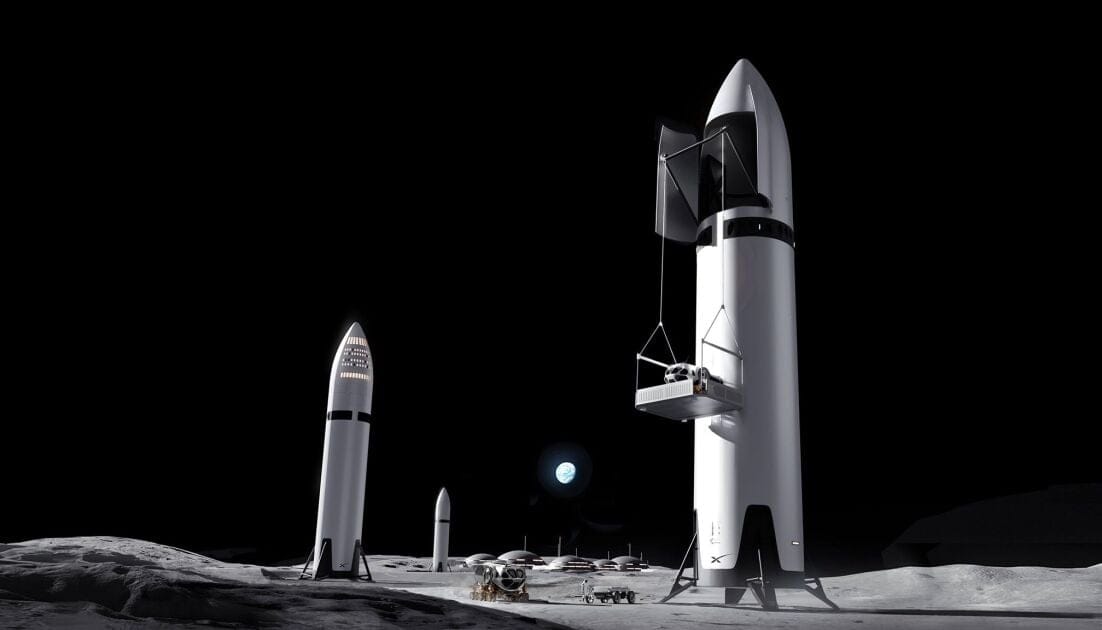
SpaceX announced that it is moving forward with a streamlined version of its Starship-derived lunar lander, a shift prompted by recent comments from CEO Elon Musk about the complexity of earlier designs.
The revised concept trims several subsystems, relies on a single Super Heavy booster for launch, and incorporates fewer engines on the lander itself. By using more off‑the‑shelf Starship components, the company aims to meet NASA’s Artemis program requirements while keeping development costs lower and the schedule tighter, targeting an initial uncrewed flight no later than 2025.
Earlier proposals for the Starship Human Landing System (HLS) involved a larger vehicle that would have required multiple in‑orbit refueling steps and additional hardware to support lunar descent. Critics within the aerospace community argued that such an approach added unnecessary risk and expense. Musk’s remarks in a recent interview underscored the need for a more pragmatic solution that could be delivered on time.
NASA officials have welcomed the change, noting that a simpler architecture could align better with the agency’s overall timeline for returning humans to the Moon. Industry analysts, while optimistic about the potential cost savings, caution that reducing the lander’s capabilities might limit payload capacity and flexibility for future missions.
SpaceX plans to begin integrated ground‑testing of the new configuration later this year, with a series of flight‑qualification tests slated for 2024. If successful, the streamlined lander could serve as the primary vehicle for crewed Artemis missions, reflecting a broader trend of private contractors adapting designs to meet the evolving expectations of government partners.