SpaceX Set to Launch Record‑Breaking 139th Mission of the Year
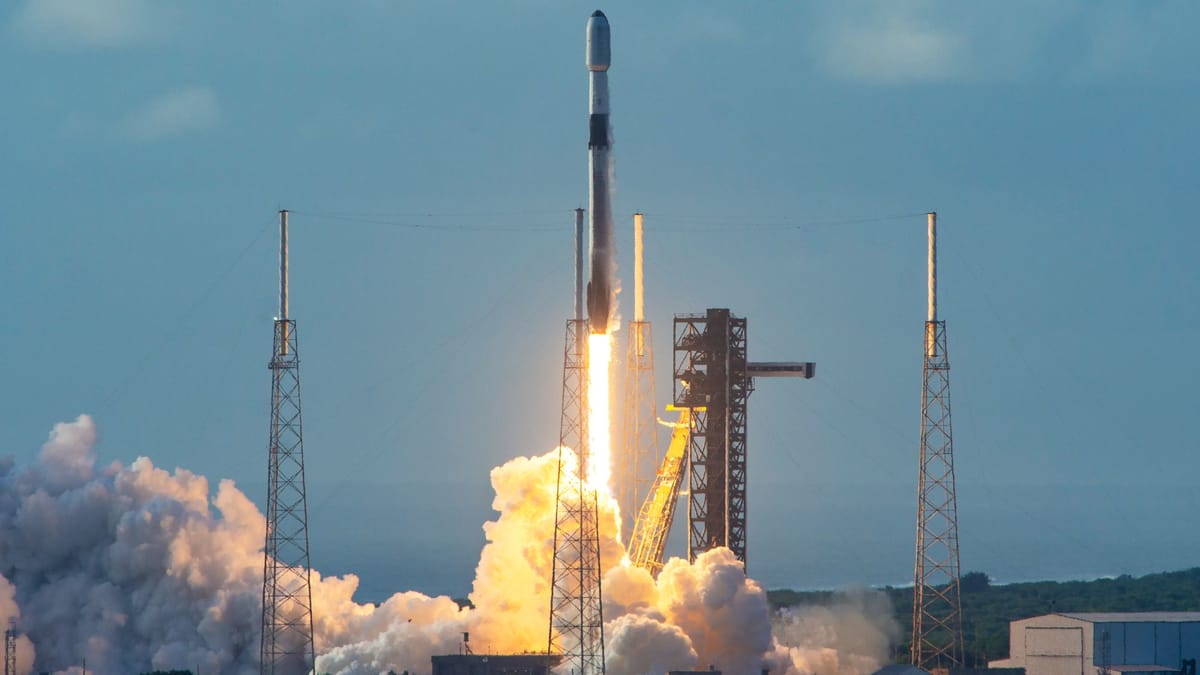
SpaceX is scheduled to lift off a Falcon 9 rocket from Cape Canaveral Space Force Station in Florida on Oct. 23, marking the company’s 139th launch of the calendar year – a record for any single launch provider.
The mission, which will be streamed live for the public, is expected to place a commercial communications satellite into geostationary transfer orbit. While the payload’s exact operator has not been disclosed, the launch underscores the growing demand for satellite capacity driven by global broadband initiatives and expanding internet‑of‑things networks.
Industry analysts note that achieving such a high launch cadence reflects both the reliability of the Falcon 9 vehicle and SpaceX’s aggressive launch schedule, which includes a mix of government, commercial, and scientific missions. The company’s reusable rocket technology, allowing for rapid turnaround between flights, has been a key factor in sustaining this pace.
Officials from the Federal Aviation Administration, which oversees launch safety, confirmed that all regulatory requirements have been met and that the launch window remains unchanged. A spokesperson for the agency said the flight would be monitored closely to ensure compliance with safety and environmental standards.
SpaceX’s launch cadence also has broader implications for the aerospace sector. Competitors are observing the company’s operational model, which has driven down launch costs and increased access to space for a wider range of customers. Experts suggest that continued high‑frequency launches could accelerate the deployment of satellite constellations, potentially reshaping telecommunications and data services worldwide.
Looking ahead, SpaceX plans to continue its busy schedule through the end of the year, with additional missions targeting both low‑Earth orbit and deep‑space destinations. The successful execution of today’s launch will further cement the company’s position as a leading player in the commercial space industry, while providing valuable data to refine future launch operations.