SpaceX launches Starlink satellites in record 135th orbital mission of the year
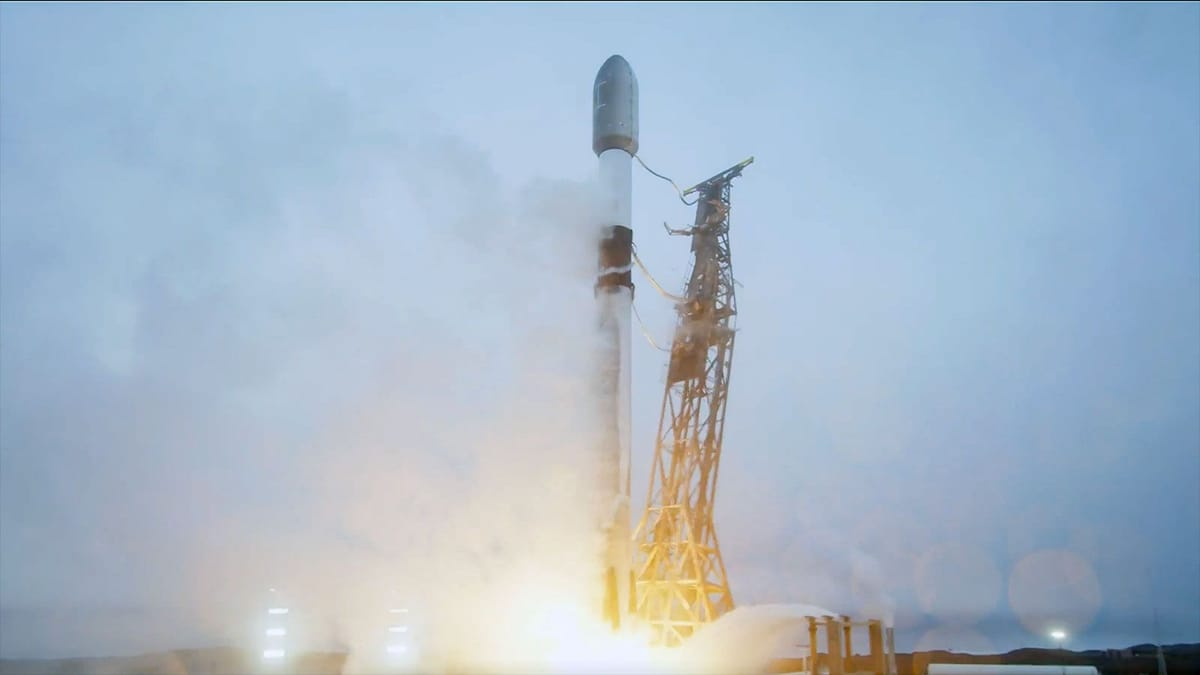
SpaceX lifted off from Vandenberg Space Force Base in California on Oct. 25 at 10:20 a.m. EDT, marking its 135th orbital mission of the year. The launch, conducted by a Falcon 9 booster, placed a batch of Starlink broadband satellites into low‑Earth orbit as part of the company's ongoing effort to expand its global internet network.
The mission added another 36 satellites to the constellation, bringing the total number of operational Starlink units to well over 4,000. The Falcon 9 first stage successfully returned to a drone ship in the Pacific Ocean for a controlled landing, underscoring SpaceX's continued emphasis on reusability and cost reduction.
Industry analysts note that the frequency of launches this year reflects both the growing demand for satellite‑based broadband services and SpaceX's aggressive deployment schedule. The company has been targeting underserved regions, disaster‑prone areas, and remote communities, positioning Starlink as a competitor to traditional terrestrial providers.
Regulatory bodies have observed the rapid expansion of low‑Earth‑orbit constellations, emphasizing the need for coordinated spectrum management and debris mitigation. Officials from the Federal Communications Commission have reiterated that operators must adhere to strict guidelines to minimize collision risks, while space sustainability experts call for continued transparency in launch planning.
Looking ahead, SpaceX plans to continue its launch cadence through the remainder of 2025, with additional missions slated from both Vandenberg and Kennedy Space Center. The company aims to achieve full global coverage and to support emerging markets, including maritime and aviation connectivity. Observers expect that the continued growth of the Starlink network will prompt further discussions on orbital traffic management and the long‑term sustainability of space operations.