SpaceX launches 29 Starlink satellites from Florida's Space Coast
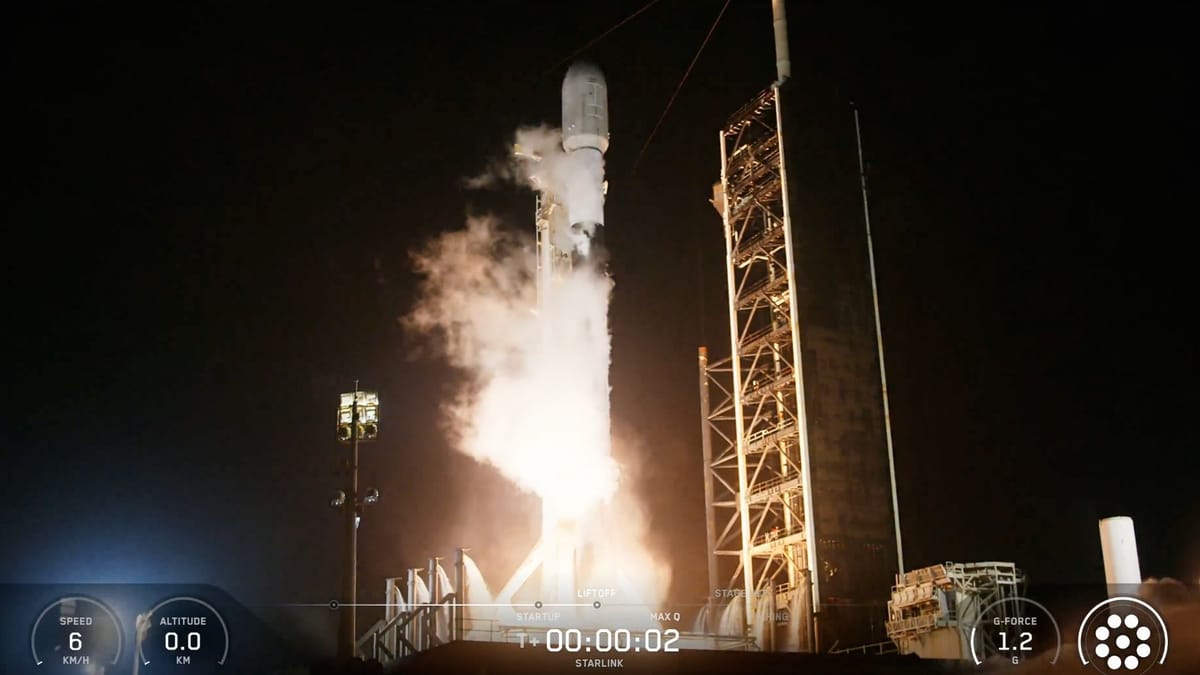
SpaceX lifted off from Launch Complex 40 at Cape Canaveral Space Force Station early on November 9, sending a Falcon 9 rocket carrying 29 Starlink broadband satellites into low‑Earth orbit. The launch occurred at 3:10 a.m. EST (0810 GMT) and proceeded without incident, with the first stage returning for a controlled landing on the nearby drone ship.
The Falcon 9’s payload consisted of the latest version of Starlink spacecraft, each equipped with phased‑array antennas and inter‑satellite laser links. This batch adds to the constellation that already hosts more than 4,000 operational satellites, expanding coverage and capacity for the service’s global broadband network. The launch followed a tightly scheduled cadence, reflecting SpaceX’s goal of maintaining a rapid deployment rate to meet growing demand for high‑speed internet in underserved regions.
Starlink, launched in 2019, is part of SpaceX’s broader strategy to fund its deep‑space ambitions, including the Starship vehicle. The program has received regulatory approvals from the Federal Communications Commission and the International Telecommunication Union, allowing the deployment of additional orbital slots. Industry analysts note that the continued expansion improves latency and bandwidth, potentially reshaping the competitive landscape for satellite internet providers.
U.S. officials praised the launch as a demonstration of the nation’s commercial launch capabilities, while technology experts highlighted the service’s role in bridging the digital divide. SpaceX officials indicated that future launches will focus on refining the network’s resilience and expanding coverage to remote and maritime users. The company plans to continue its launch cadence through the end of the year, aiming to reach a target of 12,000 satellites in orbit over the next decade.