Space Weather Experts Warn of Severe Solar Storms and Potential Aurora Displays
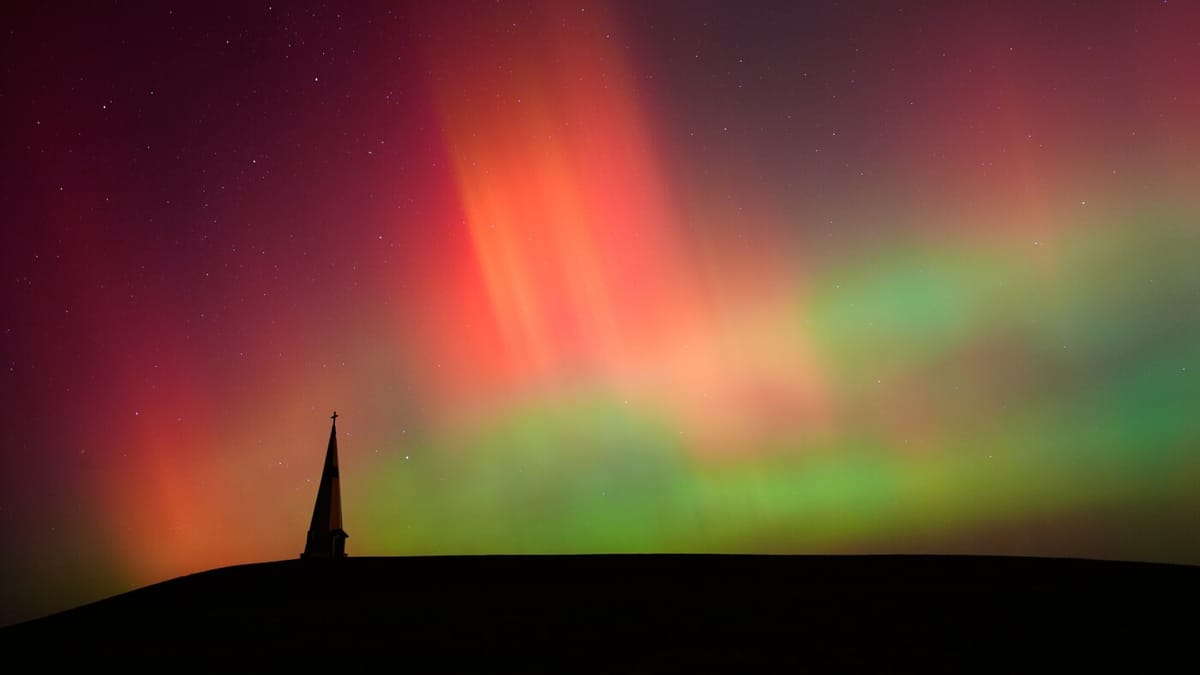
Space weather forecasters in New York issued an alert on Tuesday warning that a series of strong solar storms are expected to reach Earth within the next 48 hours. The advisory, released by the National Oceanic and Atmospheric Administration’s Space Weather Prediction Center, notes that the eruptions could generate vivid auroral displays at unusually low latitudes and may cause brief disruptions to satellite‑based communications and navigation services.
Scientists attribute the upcoming activity to a cluster of coronal mass ejections (CMEs) that erupted from the Sun’s surface earlier this week. The CMEs are traveling at speeds exceeding 1,500 kilometres per second, a rate that can compress Earth’s magnetosphere and trigger geomagnetic storms of moderate to severe intensity. According to the forecast, the strongest disturbance is likely to peak on Thursday night, with aurora activity potentially visible as far south as the northern United States and central Europe.
Officials cautioned that while the storms are not expected to cause lasting damage, they could temporarily interfere with high‑frequency radio transmissions, GPS positioning, and power‑grid operations in vulnerable regions. A spokesperson for the federal agency said that utilities have been advised to monitor transformer loads and that airlines have been briefed on possible navigation adjustments. Industry analysts added that satellite operators typically place spacecraft into safe‑mode during such events to protect sensitive electronics.
The alert follows historical precedents such as the 1859 Carrington Event, which produced widespread telegraph failures, and more recent storms in 1989 that caused a major blackout in Quebec. Experts recommend that users of critical infrastructure stay informed through official channels and that the public look for aurora alerts from local observatories. The forecast will be updated continuously as the solar material approaches, and the agencies involved will issue further guidance if conditions worsen.