South Korea to Cut Select Tariffs Under New U.S. Trade Agreement
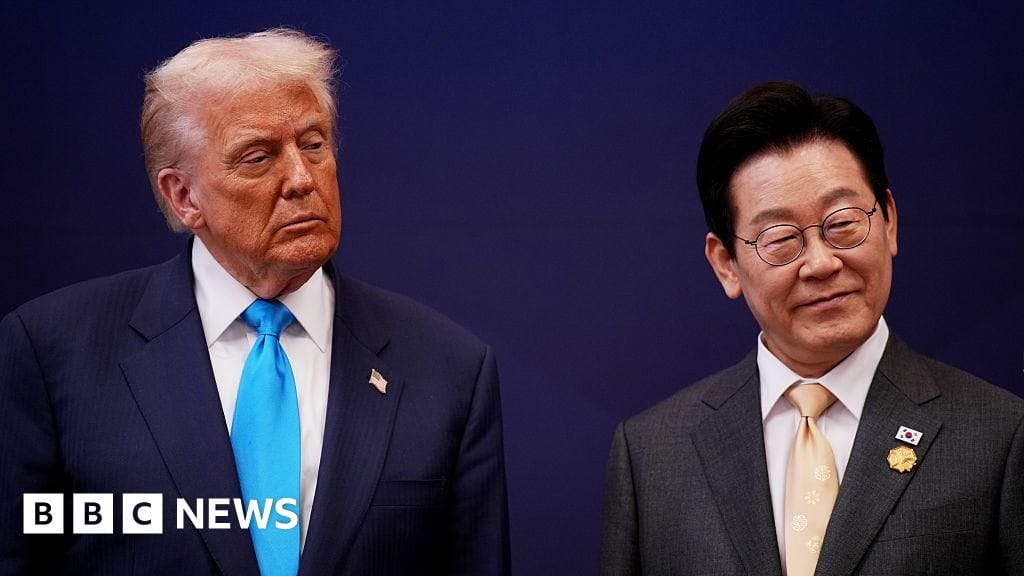
South Korean officials announced on Thursday that the government will lower tariffs on a range of imported goods as part of a newly concluded trade framework with the United States. The declaration was made during a bilateral meeting in Seoul, where leaders from both countries affirmed that the agreement builds on months of high‑level talks aimed at deepening economic ties.
Under the deal, South Korea will reduce import duties on several categories, including automotive parts, consumer electronics, and certain agricultural products such as beef and dairy. Tariff rates on these items are set to fall from the current 8‑12 percent range to between 2 and 5 percent over the next two years. In return, the United States will grant reciprocal concessions, notably lowering barriers on South Korean steel and semiconductor components.
The agreement marks the latest milestone in a negotiation process that began in 2018, when both governments first signaled intent to replace the earlier, stalled free‑trade talks. After a series of ministerial rounds and a summit in Washington last spring, the two sides reached a “broad trade deal” that addresses market access, regulatory cooperation, and intellectual‑property protections. The current tariff reductions are viewed as the first concrete step toward full implementation of the pact.
Government spokespeople described the measures as “mutually beneficial” and said they are expected to boost bilateral trade by an estimated $10 billion annually. Industry groups welcomed the move, citing lower production costs for manufacturers that rely on imported components. Economic analysts noted that the tariff cuts could enhance competitiveness for South Korean exporters in the U.S. market while providing American consumers with more affordable products.
Both countries indicated that the agreement will now move to their respective legislative bodies for ratification, with an implementation schedule aimed at early 2026. Observers will watch closely how the tariff reductions interact with broader supply‑chain dynamics and whether the deal spurs further cooperation in emerging sectors such as green technology and digital services.