SNAP Benefits to End Nov. 1 as Government Shutdown Looms, Recipients Express Concern
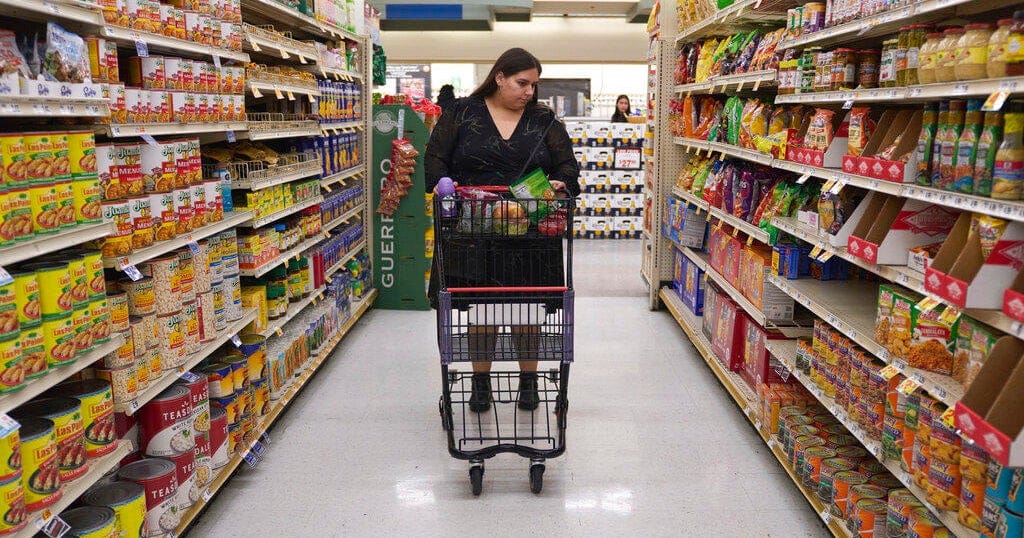
About 42 million Americans receive Supplemental Nutrition Assistance Program (SNAP) benefits through electronic benefit transfer cards, providing a vital safety net for low‑income households. The program is scheduled to stop delivering new benefits on Nov. 1, a date that coincides with the looming expiration of temporary funding measures amid a prolonged U.S. government shutdown.
The interruption stems from the lapse of a supplemental appropriations bill that has kept SNAP operational since the last fiscal year. Without congressional action to renew the funding, the automatic disbursement of benefits will cease, leaving millions of recipients without the monthly cash equivalent they rely on for groceries. Federal agencies have warned that the pause could affect not only individuals but also retailers that depend on SNAP transactions for a significant portion of sales.
Officials from the U.S. Department of Agriculture acknowledged the situation, stating that they are monitoring the funding gap and preparing contingency plans should a longer shutdown occur. Policy analysts note that past shutdowns have demonstrated the program’s resilience, but they also emphasize that any delay in reinstating benefits can exacerbate food insecurity, especially as the winter season approaches.
Advocacy groups representing SNAP participants have urged lawmakers to act swiftly, highlighting stories of families who already face rising food prices and limited employment opportunities. They argue that even a short-term suspension could push vulnerable households toward emergency food assistance and increase strain on local charities.
Looking ahead, policymakers are expected to negotiate a short‑term extension to bridge the funding shortfall while broader budget discussions continue. In the meantime, recipients are advised to keep track of any announcements from the USDA and to explore alternative resources, such as community food banks, should the benefits pause longer than anticipated.