Several Personnel Ill After Opening Suspicious Package at Air Force One Base
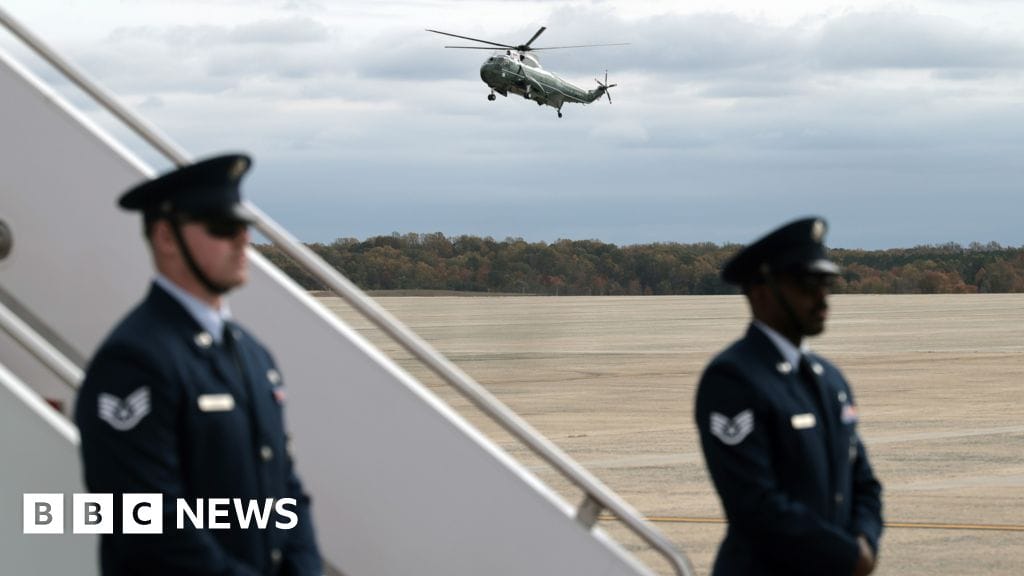
Multiple personnel at Joint Base Andrews, the Maryland installation that serves as the home base for the aircraft used by the U.S. president, reported illness after opening a package that was later described as suspicious. The incident, which occurred on Thursday morning, prompted an immediate response from base emergency services and local medical facilities.
Base officials evacuated the area surrounding the package and deployed hazardous‑materials teams to assess the situation. Affected individuals were taken to on‑site medical stations for evaluation and were later transferred to nearby hospitals for further treatment. Preliminary reports indicate that the symptoms were consistent with exposure to an unknown irritant, though no serious injuries have been confirmed.
Federal law‑enforcement agencies, including the FBI and the Department of Homeland Security, have taken over the investigation. Standard protocol for such events involves securing the site, collecting evidence, and conducting a thorough sweep for chemical or biological agents. Similar incidents at other military installations in recent years have underscored the heightened vigilance surrounding unexploded or suspicious parcels.
A spokesperson for Joint Base Andrews said that the base’s emergency response procedures were activated promptly and that the health of all personnel remains the top priority. Officials also emphasized that no further threats have been identified on the base and that a comprehensive safety review is underway.
Authorities expect the investigation to take several days as they analyze the package’s contents and trace its origin. In the meantime, the base has increased security measures and reminded staff to follow established reporting protocols for any suspicious items. The incident highlights ongoing challenges in protecting critical government facilities from unconventional threats.