Scientists Predict Axial Seamount May Erupt Between Mid‑2026 and Late‑2026
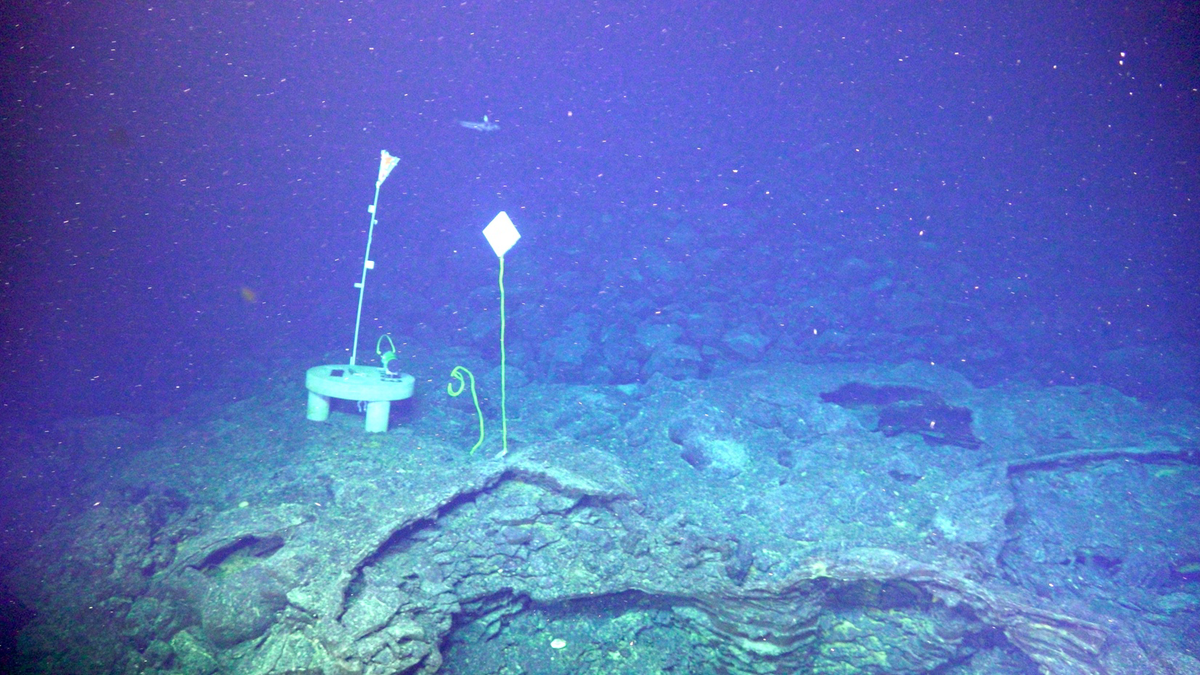
Scientists monitoring the Axial Seamount, an underwater volcano located about 300 miles off the coast of Oregon, have updated their eruption forecast, indicating that a new eruption is most likely to occur between mid‑2026 and late‑2026. The revision follows a year‑long series of observations that suggest the volcano is approaching a critical pressure threshold.
The Axial Seamount sits atop the Juan de Fuca tectonic plate and has been closely watched since its 2015 eruption, which was the first undersea eruption recorded by a permanent seafloor observatory. The United States Geological Survey (USGS) and partner research institutions maintain a network of seismometers, pressure sensors, and tiltmeters on the volcano’s summit, providing real‑time data on magma movement and seismic activity.
Recent analyses of this data show a gradual increase in seismic tremor intensity and subtle upward deformation of the volcano’s summit, both indicative of magma accumulation beneath the seafloor. While earlier models suggested a possible eruption within the next twelve months, the latest measurements point to a longer buildup period, extending the most probable eruption window to the middle or later part of 2026. Researchers emphasize that these forecasts remain probabilistic and could change with new observations.
Although an eruption at Axial Seamount is unlikely to generate a large tsunami, it could produce localized hazards such as ash and gas releases that affect marine ecosystems and commercial shipping lanes. Federal and state agencies have already incorporated the updated timeline into existing contingency plans, ensuring that monitoring equipment remains operational and that emergency response protocols can be activated if necessary.
Experts note that the continued study of Axial Seamount provides valuable insights into the behavior of submarine volcanoes and the dynamics of plate boundaries. Ongoing surveillance will refine the eruption timeline, and any significant changes in seismic or deformation patterns will be reported promptly to the public and maritime stakeholders.