Scientists Leverage Smartwatch Data and AI to Detect Heart Damage
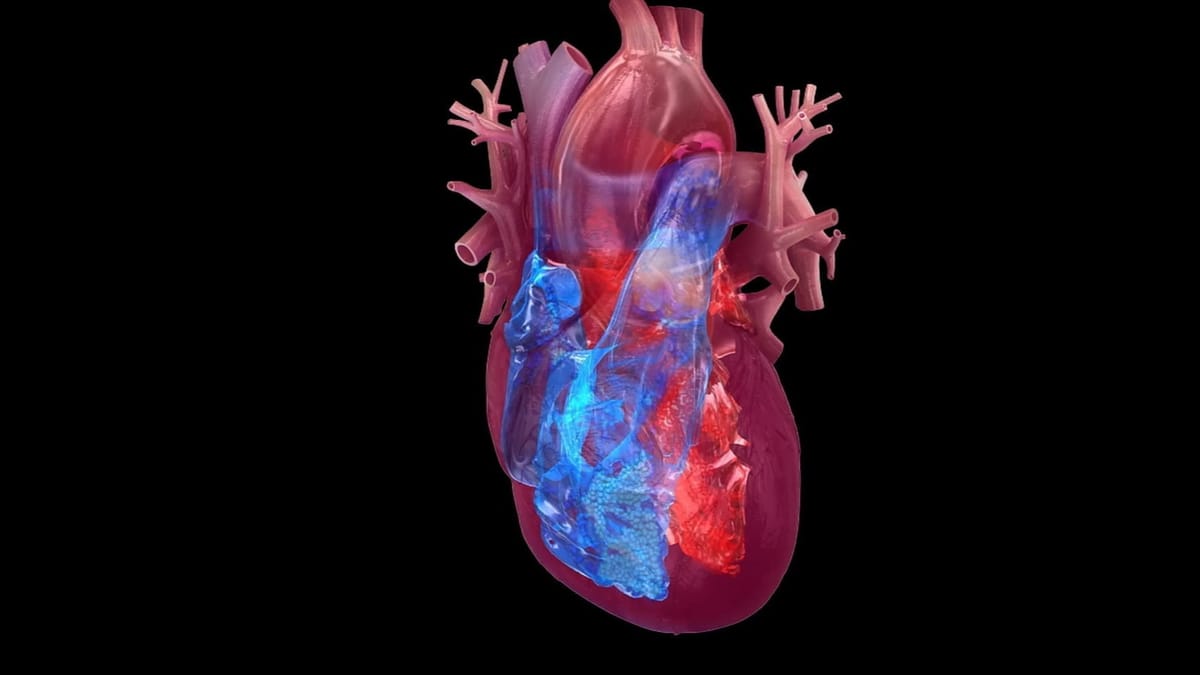
Researchers have demonstrated that data collected from consumer smartwatches, when processed by artificial‑intelligence algorithms, can identify early signs of heart muscle injury. The study, published in a peer‑reviewed medical journal, analyzed continuous heart‑rate and electrocardiogram (ECG) recordings from thousands of participants who wore commercially available devices over several months.
The team trained a deep‑learning model to recognize subtle patterns associated with myocardial damage, such as irregularities in heart‑rate variability and transient ECG anomalies. Validation against clinical diagnostics showed that the AI system could flag potential issues with a sensitivity comparable to standard hospital‑based screening tools, while maintaining a low false‑positive rate. Researchers emphasized that the approach does not replace conventional medical examinations but could serve as an early‑warning mechanism for individuals who might otherwise go undetected.
Heart disease remains the leading cause of death worldwide, and early detection is critical for improving outcomes. Wearable technology has proliferated in recent years, offering continuous health monitoring that was previously limited to clinical settings. By harnessing the massive volume of real‑time data generated by these devices, the new method could expand screening capabilities beyond hospitals and clinics, particularly in underserved regions.
Health officials and industry analysts responded positively to the findings, noting that the integration of AI with everyday wearables could democratize access to cardiac monitoring. Generic statements from experts highlighted the need for further large‑scale trials, robust privacy safeguards, and clear regulatory pathways before widespread deployment.
Looking ahead, the researchers plan to collaborate with device manufacturers to embed the detection algorithm directly into smartwatch firmware, enabling instant alerts to users and their healthcare providers. If successful, the technology could shift the paradigm of cardiac care from reactive treatment to proactive prevention, reducing the burden of heart disease on patients and health systems alike.