Scientists Leverage Smartwatch Data and AI to Detect Early Heart Damage
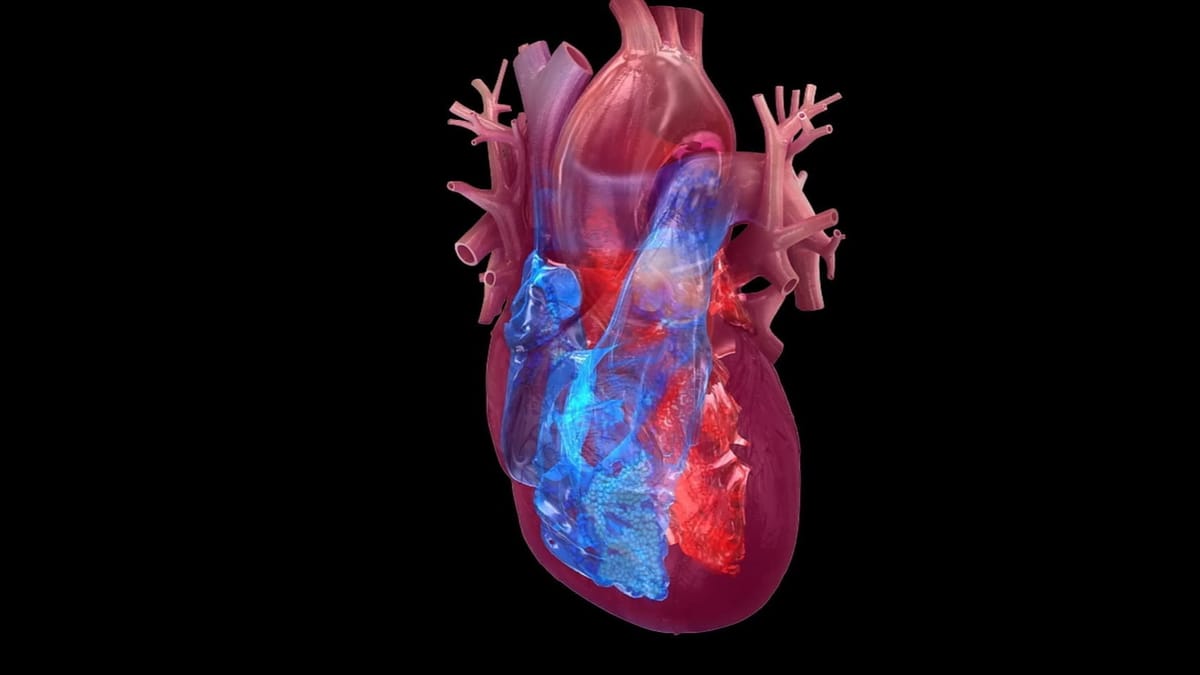
Researchers have developed a method that combines data from consumer smartwatches with artificial intelligence to identify early signs of heart muscle damage. The study, which analyzed continuous heart‑rate and electrocardiogram (ECG) recordings from thousands of volunteers, demonstrated that AI models could flag subtle patterns indicative of myocardial injury before symptoms appear.
The team gathered anonymized wearable data over a period of several months, focusing on metrics such as heart‑rate variability, resting heart rate trends, and irregularities in single‑lead ECG recordings. Using machine‑learning techniques, the algorithm was trained on a subset of participants who later underwent clinical cardiac imaging, allowing it to learn the physiological signatures associated with confirmed heart damage. Validation on a separate cohort showed detection accuracy comparable to conventional diagnostic tools, while operating in real‑time on the wearable device.
Early identification of cardiac injury is critical for preventing severe outcomes such as heart failure or arrhythmias. Conventional methods often rely on patients seeking medical attention after symptoms develop, which can delay treatment. By leveraging ubiquitous smartwatch sensors, the new approach promises a scalable, non‑invasive screening tool that could alert individuals and clinicians to potential issues well before clinical presentation.
Health officials and industry analysts have described the findings as a promising step toward integrating digital health data into routine care. Generic statements from medical experts suggest that, while the technology shows potential, further large‑scale trials are needed to confirm its reliability across diverse populations and to address regulatory and privacy considerations.
Looking ahead, the researchers plan to expand the study to include additional biometric inputs, such as blood‑oxygen levels and activity patterns, and to collaborate with healthcare providers to test real‑world implementation. If successful, the integration of smartwatch‑based AI monitoring could reshape preventive cardiology, offering continuous, low‑cost surveillance for at‑risk individuals worldwide.