Scientists Extract Viable RNA from Siberian Woolly Mammoth Remains
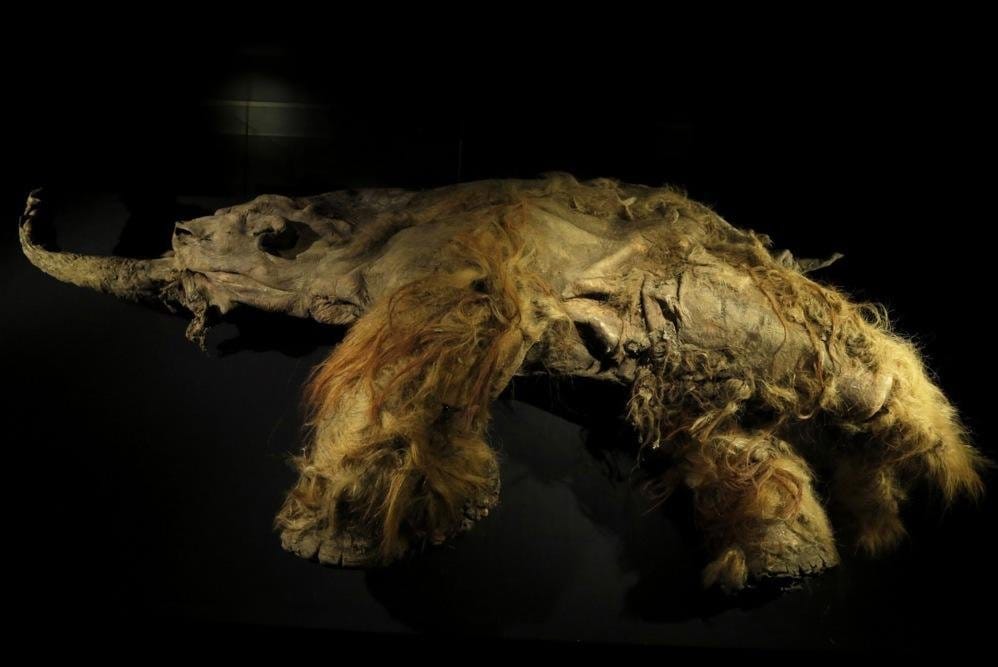
Nov. 15 (UPI) – Researchers studying a remarkably preserved woolly mammoth carcass unearthed from Siberian permafrost have successfully extracted intact RNA, marking the first time such genetic material has been recovered from an extinct megafauna specimen. The discovery provides a new window into the biology of the species that roamed the Arctic tundra during the last Ice Age.
The specimen, discovered in a remote region of eastern Siberia, is estimated to have died roughly 4,000 years ago, based on stratigraphic analysis and radiocarbon dating of surrounding sediments. Its frozen state protected soft tissues, allowing scientists to isolate RNA using a specialized low‑temperature extraction protocol that minimized degradation. Subsequent sequencing confirmed the presence of several messenger RNA fragments, indicating that portions of the animal’s genetic code remained chemically intact after millennia.
While DNA from mammoths has been sequenced in previous studies, RNA’s fleeting nature has long limited researchers’ ability to probe gene expression in extinct organisms. Experts say that the recovered RNA could help clarify how mammoths adapted to extreme cold, such as the regulation of fur growth and metabolic pathways. “The ability to retrieve functional RNA opens a new avenue for understanding the physiology of extinct species without relying solely on DNA,” a senior molecular biologist commented, emphasizing the need for further verification across additional samples.
The breakthrough may accelerate discussions about de‑extinction and conservation genetics, though scientists caution that reconstructing a living mammoth remains a distant prospect. Ongoing work will focus on comparing the mammoth RNA to that of modern elephants to identify key evolutionary differences. Authorities plan to share the data with the broader scientific community to foster collaborative research while ensuring that ethical considerations guide any future applications.