Samsung Galaxy XR versus Apple Vision Pro: Specs and Price Comparison
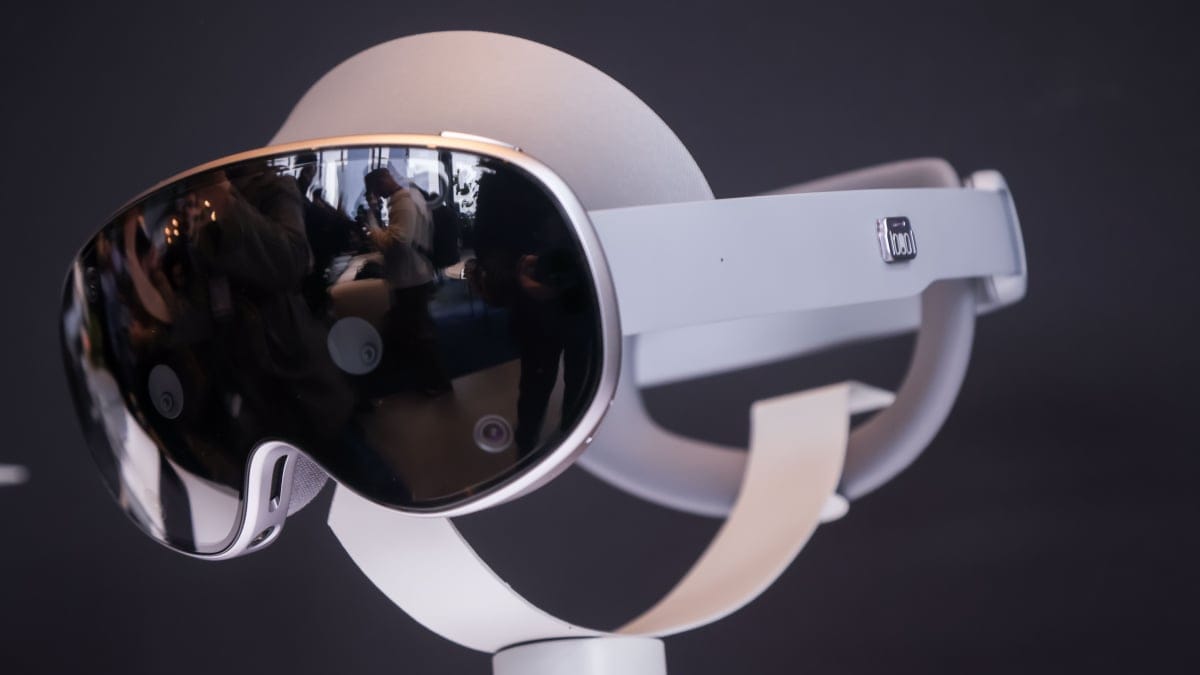
Samsung and Apple have entered the high‑end mixed‑reality market with their latest headsets, the Galaxy XR and the Vision Pro, respectively. Both devices aim to blend augmented and virtual reality experiences for consumers and professionals, and their launch has sparked considerable interest among technology observers. While the Galaxy XR targets a broader, price‑sensitive audience, Apple’s Vision Pro continues the company’s tradition of premium positioning.
In terms of hardware, the Galaxy XR features a dual‑OLED display delivering a combined resolution of roughly 4,000 × 2,400 pixels and a field of view of about 110 degrees. It is powered by Samsung’s Exynos XR2 processor, paired with 12 GB of RAM and a 600‑milliamp‑hour battery that promises up to three hours of continuous use. The Vision Pro, by contrast, uses a custom Apple‑designed micro‑OLED panel with a slightly higher per‑eye resolution of approximately 4,500 × 2,500 pixels and a 115‑degree field of view. Its Apple‑M2‑based system‑on‑chip, 16 GB of RAM, and a larger battery pack are marketed to deliver up to five hours of operation, though the exact figures depend on the workload.
Pricing differentiates the two offerings sharply. Samsung advertises the Galaxy XR at a launch price near $1,200, positioning it as a competitive alternative to other mid‑range headsets. Apple’s Vision Pro, meanwhile, carries a starting price of $3,500, reflecting its focus on enterprise customers and early adopters willing to pay for a tightly integrated ecosystem. Industry analysts note that Samsung’s lower price could accelerate consumer adoption, while Apple’s higher cost may limit its initial market to professionals and developers who can justify the expense through productivity gains.
Looking ahead, both companies plan to expand their software libraries and improve battery efficiency through firmware updates. Market watchers expect that the competition between Samsung’s more affordable hardware and Apple’s premium experience will drive rapid innovation in the mixed‑reality space. Observers also anticipate that future iterations may narrow the price gap while adding features such as eye‑tracking, hand‑gesture controls, and enhanced spatial audio, further blurring the line between virtual and augmented reality applications.