RFK Jr. Attempts to Reduce Childhood Vaccine Schedule Over Weekend
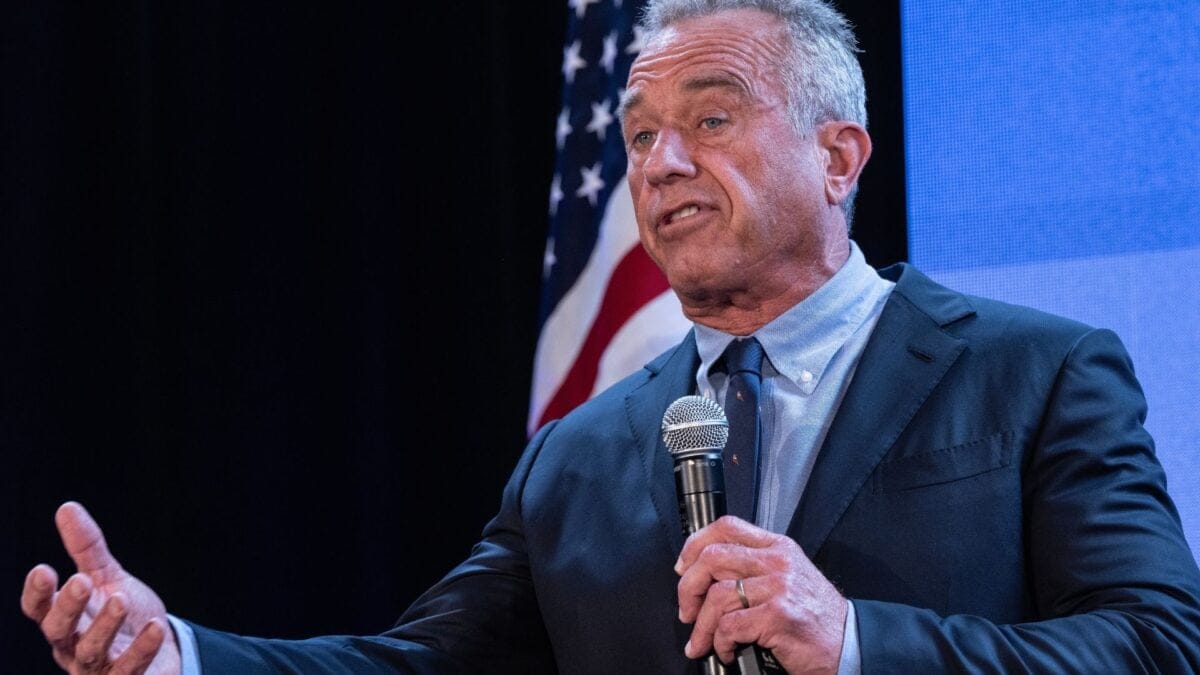
Robert F. Kennedy Jr., a prominent figure in the anti‑vaccine movement, sparked a brief controversy over the weekend when he introduced a proposal aimed at shrinking the standard childhood immunization schedule. The initiative was reported by several news outlets on Saturday, noting that the proposal sought to cut the number of recommended vaccine doses for infants and young children.
The suggested changes would have combined certain vaccinations and postponed others, arguing that a streamlined schedule could reduce the number of medical visits required for families. The filing was submitted to the Department of Health on Saturday and, according to the report, would have triggered a review by the agency’s advisory committee within a three‑month timeframe.
Public‑health officials and pediatric experts responded swiftly, emphasizing that the existing schedule is based on extensive clinical trials and decades of epidemiological data. Representatives of national health agencies warned that any alteration without rigorous scientific evaluation could jeopardize herd immunity and increase the risk of preventable disease outbreaks. Industry analysts also noted that abrupt changes might undermine public confidence in vaccination programs.
The debate echoes a long‑standing tension between vaccine advocacy groups and those who question mandatory immunization policies. Historically, the childhood vaccine schedule in the United States has been updated only after thorough review by the Advisory Committee on Immunization Practices, which considers safety, efficacy, and disease prevalence. Similar proposals have surfaced in the past but were typically set aside after expert scrutiny.
Moving forward, the Department of Health indicated that it would hold a series of public hearings to assess the merits of the proposal and gather input from medical professionals, parents, and other stakeholders. Until a formal decision is made, the current vaccination schedule remains in effect, and officials continue to encourage adherence to established guidelines to protect public health.