Promising Clinical Trials Aim to Prevent Early-Onset Alzheimer’s, CBS Reports
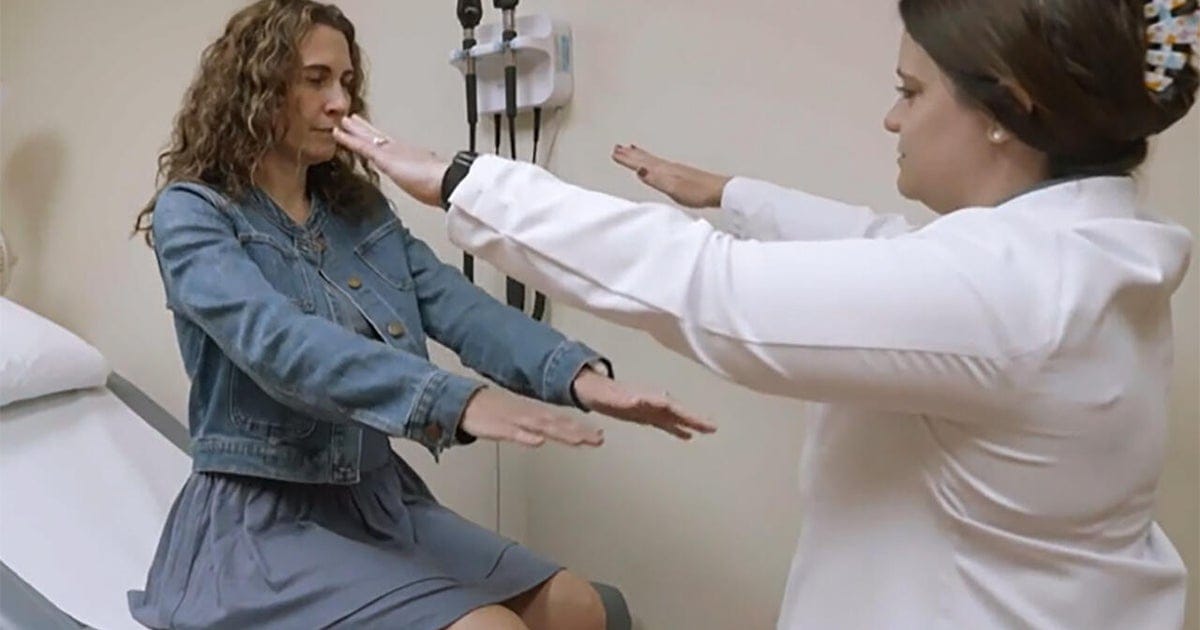
Carrie Richardson, 44, described the daily frustration of living with early‑onset Alzheimer’s disease, saying, \"I just know that my brain’s not right… I hate it. I just want it to be normal.\" Richardson was diagnosed at 41, making her case one of the growing number of patients who develop the condition well before the typical age of onset. New clinical trials announced this week aim to test preventative therapies that could delay or halt the disease’s progression.
The trials, led by a consortium of academic medical centers and biotechnology firms, will evaluate a monoclonal antibody designed to target beta‑amyloid plaques, a hallmark of Alzheimer’s pathology. The study plans to enroll up to 1,200 participants aged 35 to 55 who carry genetic markers associated with early‑onset disease. Participants will receive bi‑monthly infusions over a two‑year period, with cognitive assessments and brain imaging conducted at regular intervals to gauge efficacy.
Early‑onset Alzheimer’s accounts for roughly 5 percent of all Alzheimer’s cases but often leads to a more rapid decline, leaving patients and families with limited treatment options. Current FDA‑approved medications only address symptoms and do not modify the underlying disease process. Researchers hope that intervening before significant neurodegeneration occurs could shift the therapeutic paradigm toward true prevention.
Health officials and disease‑specialty advocates welcomed the initiative, noting that \"investing in preventive strategies is essential for reducing the long‑term burden of dementia,\" a spokesperson for a national Alzheimer’s organization said. Independent neurologists added that while early results are promising, rigorous safety monitoring will be critical, given past setbacks with similar agents.
If the trials demonstrate safety and measurable cognitive benefit, the developers intend to seek accelerated approval from the U.S. Food and Drug Administration later next year. Success could pave the way for broader screening programs and earlier intervention, offering hope to individuals like Richardson and the many families confronting this devastating illness.