President Trump Grants Pardons to Giuliani, Meadows and Others Amid 2020 Election Controversy
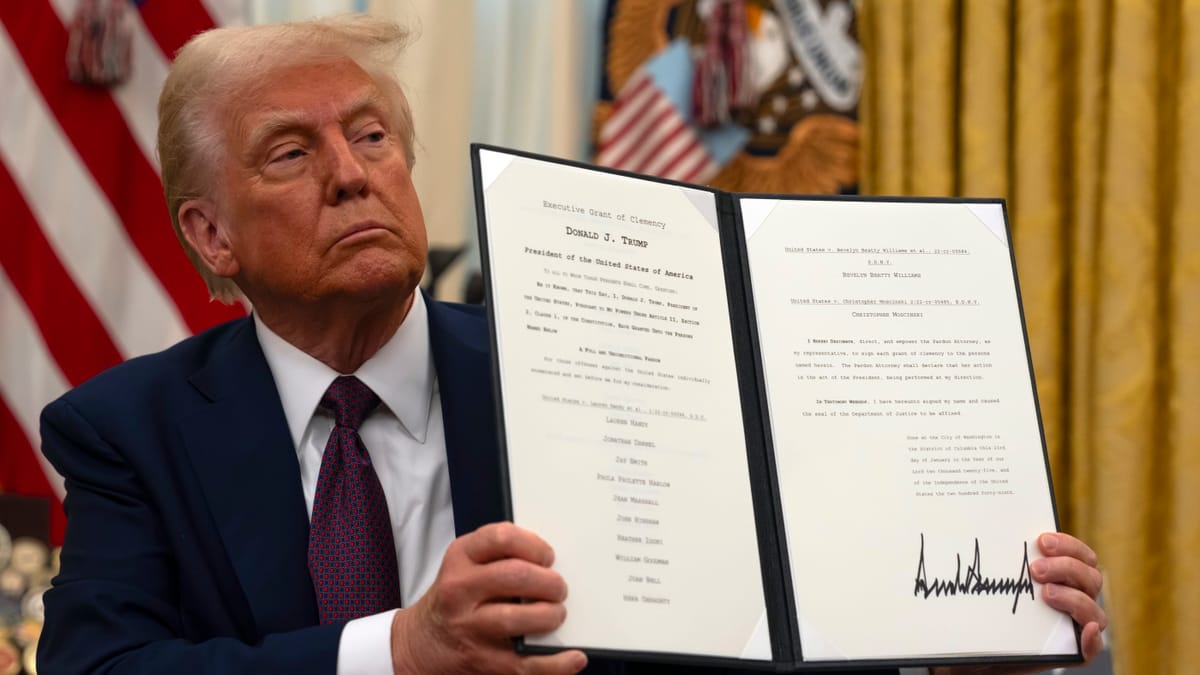
President Trump issued a series of pardons this week, including former personal attorney Rudy Giuliani, former White House chief of staff Mark Meadows, and several other individuals charged in connection with efforts to challenge the 2020 election results. The clemency orders were announced in a brief statement from the White House, noting that the recipients had “served their country” and that the pardons were intended to promote national unity.
The pardons come as part of a broader pattern of clemency actions taken by the former president during the final weeks of his administration. Over the past year, Trump has used the pardon power to absolve allies, political supporters, and individuals involved in investigations into his conduct. Legal analysts note that the Constitution grants the president broad discretion in granting clemency, but the timing and selection of recipients often carry political implications.
Critics argue that the pardons undermine the rule of law by shielding participants in an alleged scheme to overturn the election. Former prosecutors and civil‑rights groups said the moves could set a precedent that emboldens future attempts to subvert democratic processes. Conversely, supporters claim the individuals were unfairly targeted and that the pardons correct a perceived miscarriage of justice.
The Department of Justice has not commented on the specific cases, but a spokesperson indicated that the agency will continue to pursue any outstanding investigations that fall outside the scope of the presidential clemency. Congressional leaders from both parties have promised hearings to examine the broader use of the pardon power and its impact on accountability.
Looking ahead, legal scholars suggest that the pardons are unlikely to affect ongoing civil lawsuits related to the 2020 election, but they may influence public perception of the events that followed the vote. The episode underscores the continuing debate over executive authority and the balance between forgiveness and responsibility in American governance.