Prepare to Spot the Year's Largest Full Moon, Says Astronomer Dennis Mammana
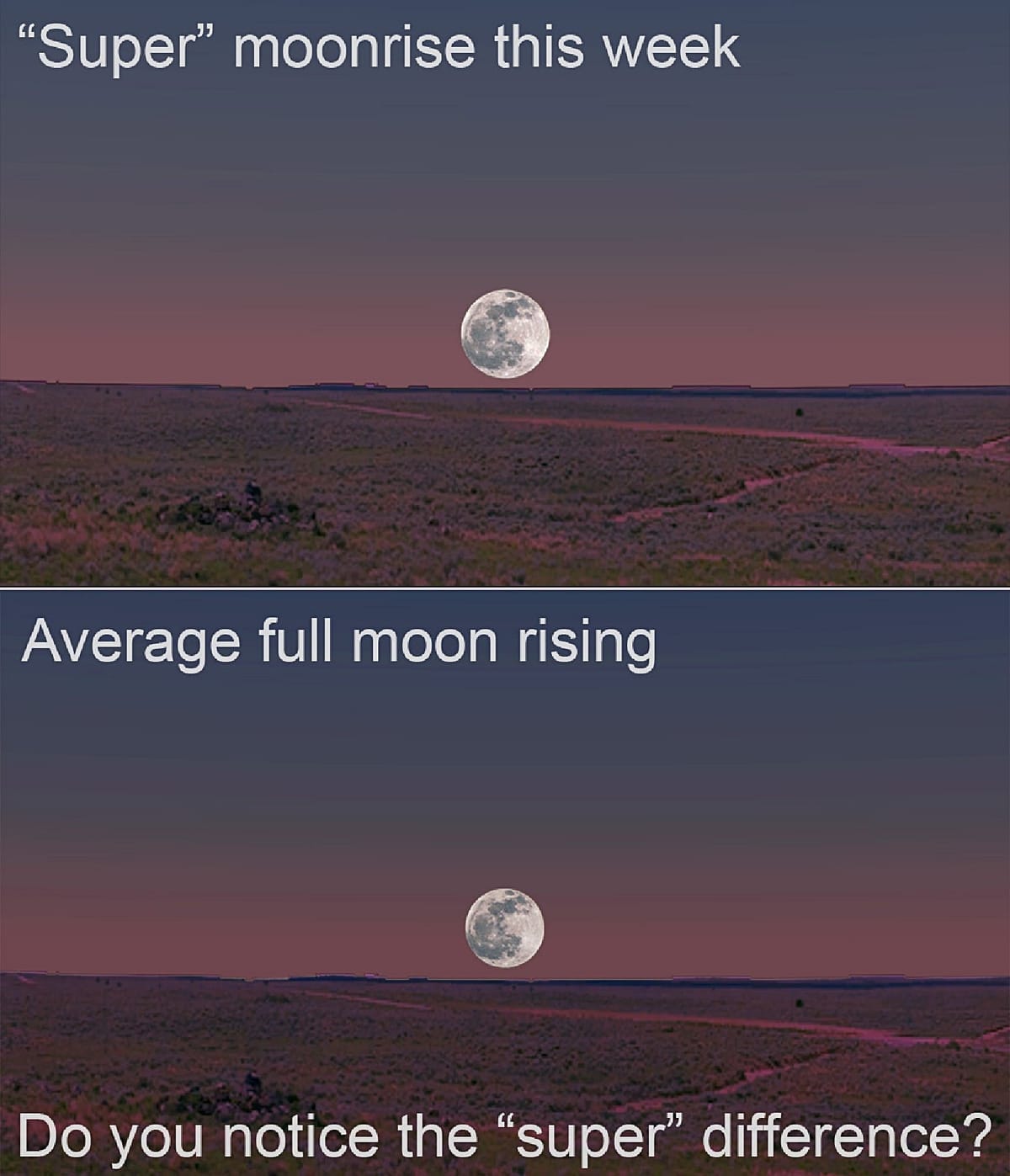
Amateur astronomer Dennis Mammana is urging sky‑watchers to mark their calendars for the upcoming full moon, which will be the largest of the year. Expected to peak on the night of July 5, the lunar display will appear noticeably bigger and brighter than typical full moons, offering a rare visual treat for both casual observers and seasoned enthusiasts.
The phenomenon, often referred to as a “supermoon,” occurs when the Moon reaches its full phase near perigee—the point in its elliptical orbit closest to Earth. During this cycle the lunar distance will shrink to roughly 221,000 miles, compared with the average 238,000 miles, resulting in an apparent diameter about 14 percent larger and a brightness increase of up to 30 percent. Astronomers note that such alignments happen several times a year, but only a few are sufficiently close to be described as the largest full moon of a given calendar year.
Historically, supermoons have captured public imagination and inspired cultural references ranging from folklore to modern media. The last comparable event in this region of the sky was recorded in 2018, and it prompted a surge in public interest, with observatories reporting increased attendance and social media activity spiking around the date. Experts point out that while the visual impact is striking, there are no known direct effects on Earth’s tides or climate beyond the predictable, modest rise associated with the Moon’s proximity.
Mammana advises observers to find a location with an unobstructed view of the horizon, ideally away from city lights, to fully appreciate the moon’s size and color. He recommends using a pair of binoculars for enhanced detail, but cautions that looking directly at the moon with the naked eye poses no risk to eyesight. For photographers, a tripod and a moderate‑telephoto lens can capture the event’s subtle contrast against the night sky.
Local tourism boards are already planning night‑time events, including guided stargazing sessions and educational talks, to capitalize on the heightened public interest. As the date approaches, officials anticipate a modest boost in visitor numbers to parks and observatories, reinforcing the role of celestial events in promoting community engagement with science.