Potential Impact if Supreme Court Overturns Trump Administration's Tariffs
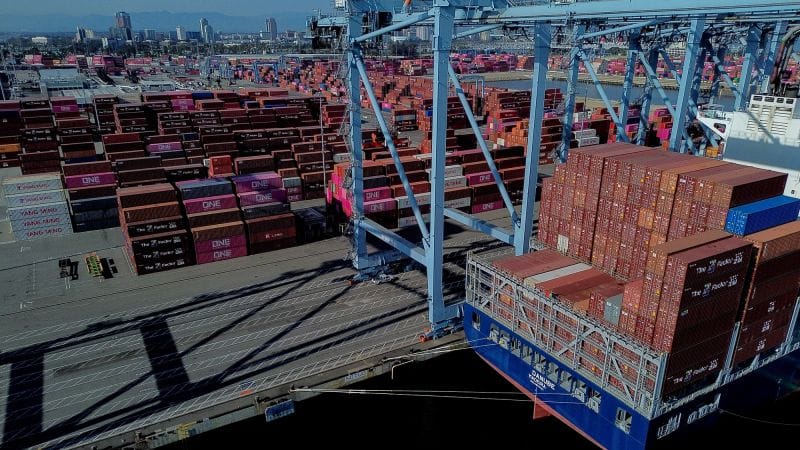
President Donald Trump told reporters on Thursday that a loss in a pending Supreme Court case would be "devastating for our country," referring to a challenge that could invalidate the administration's most extensive tariff regime. The case centers on whether several high‑profile duties, imposed over the past two years on imports ranging from steel and aluminum to automotive parts, exceed the legal authority granted to the executive branch.
The tariffs in question were introduced as part of a broader effort to protect domestic manufacturers and address perceived unfair trade practices. Since their implementation, duties have varied from 10 to 25 percent, affecting a wide array of industries and prompting retaliatory measures from trading partners. Critics argue that the tariffs raise consumer prices and strain supply chains, while supporters claim they level the playing field for U.S. producers.
Legal experts note that the Supreme Court's review will focus on the interpretation of the Trade Expansion Act and the President's statutory powers to impose such measures. Administration officials have emphasized that the tariffs were enacted in accordance with existing law and that any reversal would undermine the government's ability to respond to trade imbalances. Meanwhile, trade analysts caution that overturning the duties could set a precedent limiting future executive action on trade policy.
Economists project that invalidating the tariffs could lead to a short‑term reduction in import costs for manufacturers and consumers, potentially lowering prices for goods such as automobiles and electronics. However, they also warn that the sudden policy shift might create uncertainty for businesses that have adjusted to the higher cost structure, and could provoke further diplomatic negotiations with affected foreign governments.
Looking ahead, the administration has indicated it will explore alternative mechanisms to address trade concerns if the Court rules against the tariffs, including seeking legislative support for new trade measures. The outcome of the case is expected to have broader implications for the balance of power between the executive branch and the judiciary in shaping U.S. trade policy, and will be closely monitored by both domestic stakeholders and international partners.