Physicists Pinpoint Date and Mechanism for Universe's End, Study Finds
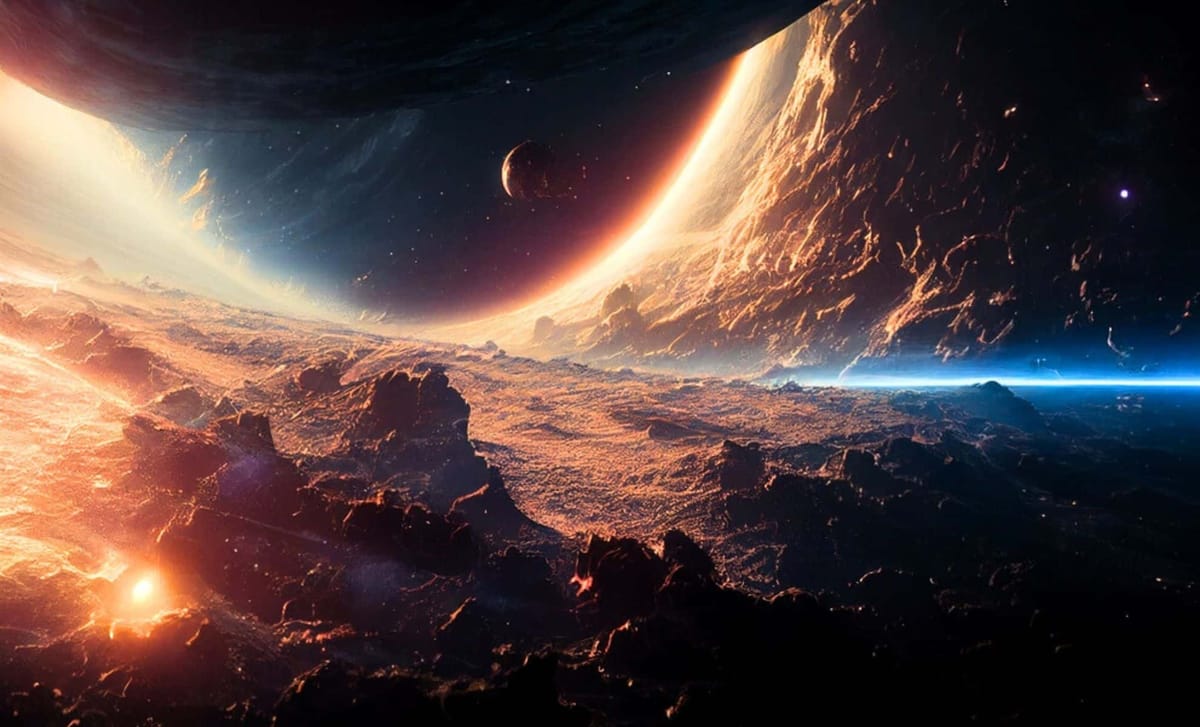
A new cosmological model, built on the latest measurements of dark energy, suggests that the universe may meet a definitive end far earlier than previously thought. Researchers from an international collaboration claim that, according to their calculations, the cosmos could undergo a catastrophic "big rip" event on a specific date in the distant future.
The model incorporates recent observations from space‑based telescopes and ground‑based surveys that track the accelerated expansion of space. By refining the equation of state for dark energy, the scientists argue that the expansion rate is not merely increasing but may be doing so at an exponential pace that will eventually overcome all binding forces, from galaxy clusters down to atomic structures.
According to the study, the critical moment arrives when the expansion reaches a threshold that tears apart gravitationally bound systems. The authors estimate this threshold will be crossed approximately 22.5 billion years from now, a date derived from extrapolating current cosmological parameters. While the exact timing remains subject to uncertainties in dark‑energy dynamics, the researchers contend that their approach narrows the range of plausible outcomes.
Experts in the field have responded with cautious interest. Theoretical physicists note that the model offers a testable prediction that could be examined as more precise dark‑energy data become available. Observational astronomers point out that future missions designed to map the large‑scale structure of the universe will be crucial for confirming or refuting the proposed scenario.
Should the "big rip" hypothesis gain broader acceptance, it would reshape longstanding assumptions about the universe's ultimate fate, challenging the notion of an eternal, ever‑expanding cosmos. For now, the scientific community emphasizes the provisional nature of the findings and underscores the need for continued observation and theoretical work.
In the meantime, the study adds a dramatic chapter to ongoing debates about cosmology, highlighting how advances in measurement techniques can dramatically alter our understanding of the universe's long‑term trajectory.