Pennsylvania 2025 Election Results: Winners, Losers and Full Breakdown
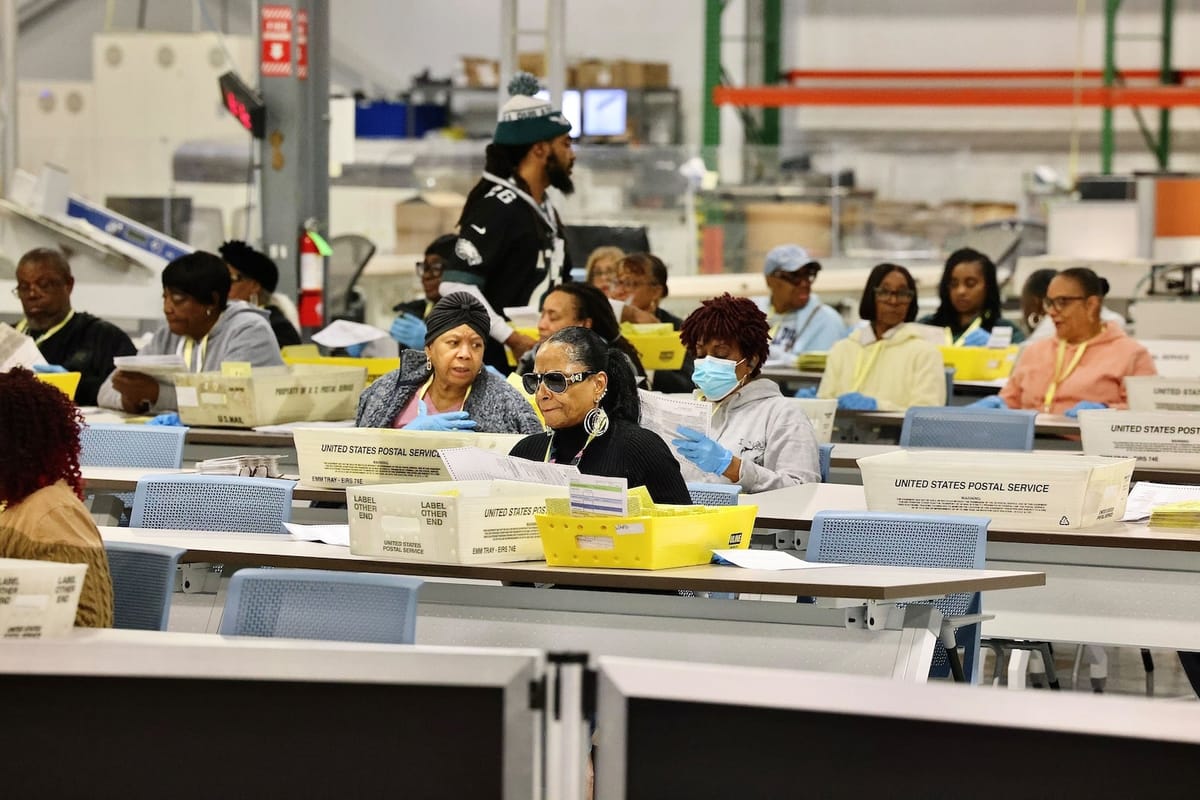
Voters across Pennsylvania went to the polls on Tuesday, November 5, 2025, casting ballots in a comprehensive mid‑term election that included the governor’s race, a U.S. Senate seat, and all 203 seats in the state House of Representatives along with 50 seats in the state Senate. State officials reported a turnout of roughly 62 % of eligible voters, a modest increase compared to the 2021 cycle, reflecting heightened interest in several closely contested races.
The governor’s contest proved to be the most closely watched, with the Democratic candidate securing a narrow victory by about three percentage points over the Republican challenger. In the U.S. Senate race, the incumbent Republican retained the seat, winning by a margin of approximately six points, a result that analysts say underscores Pennsylvania’s status as a battleground state. Both races were decided in several key suburban counties that shifted toward the Democratic ticket, while rural areas remained solidly Republican.
Control of the state legislature also saw notable shifts. Democrats gained a slim majority in the state House, picking up eight seats to hold 106 of 203 seats, while Republicans maintained a narrow edge in the state Senate with 27 of 50 seats after a modest gain in the western districts. Several swing districts that had previously voted Republican in 2021 flipped to Democratic candidates, a trend attributed to changing demographics and local economic concerns. The new composition suggests that bipartisan negotiation will be essential for passing the upcoming budget and any major policy initiatives.
State officials and political analysts described the outcomes as a “mixed verdict” for both parties, noting that while Democrats made gains in the legislature and the governor’s office, the Republican hold on the Senate seat signals continued competitiveness. The results are expected to influence campaign strategies heading into the 2026 federal elections, with both parties likely to invest heavily in Pennsylvania’s swing regions. Election officials have begun the certification process, which is slated for completion within the next two weeks, after which newly elected officials will assume office in early January 2026.