Pelosi’s Retirement Sparks Generational Fight Within Democratic Party
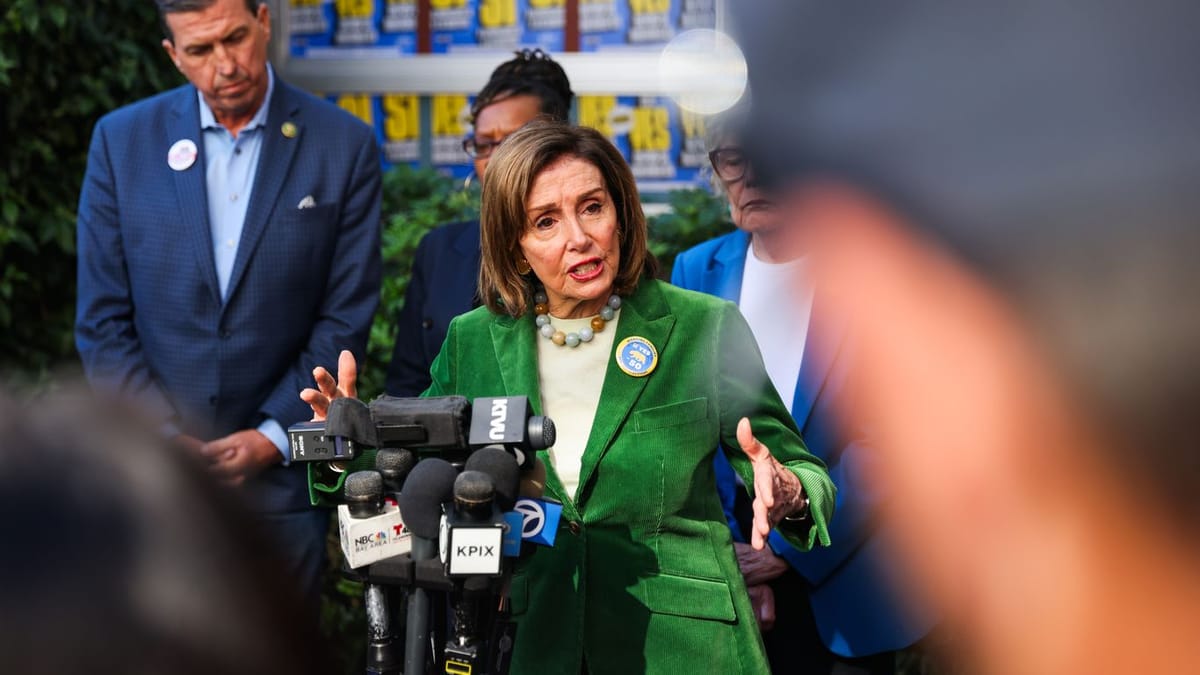
Speaker Nancy Pelosi’s announcement that she will not seek re‑election has ignited a fierce intra‑party contest as a wave of younger, progressive candidates challenges long‑standing incumbents in Democratic primaries across the country. The development marks a rare moment of open generational tension within a party that has traditionally managed internal disagreements behind closed doors.
According to campaign finance data released for the July‑September filing period, more than half a dozen insurgent challengers raised more money than the veteran officeholders they aim to unseat. In several districts, the fundraising gap has narrowed to single‑digit margins, suggesting that grassroots enthusiasm is translating into tangible financial support. Party analysts note that these figures, while not yet surpassing the total war chests of established incumbents, signal a shift in donor behavior toward candidates who promise bold policy reforms and a departure from entrenched political practices.
The emerging contests are being framed by some party officials as a “generational warfare” that could reshape the Democratic agenda. While senior leaders caution against fracturing the coalition ahead of the midterm elections, progressive groups argue that fresh faces are needed to address issues such as climate action, health‑care reform, and economic inequality. Political scientists point to historical precedents where internal renewals have either revitalized parties or led to electoral setbacks, depending on how well the competing factions manage to present a united front.
Local party committees have responded with mixed signals. In certain states, establishment figures have offered endorsements to incumbents, emphasizing experience and legislative clout. In others, they have remained neutral, allowing primary voters to decide without overt interference. Observers say that the outcome of these primaries could influence the composition of congressional committees and the overall legislative direction once the new Congress convenes.
Looking ahead, the Democratic National Committee has indicated that it will monitor the primaries closely, offering logistical support where needed while urging candidates to focus on broader electoral goals. The internal contest, sparked by Pelosi’s departure, is expected to continue shaping campaign narratives through the remainder of the election cycle, with the potential to either deepen the party’s ideological divide or prompt a recalibration of its strategic priorities.