OpenAI Introduces Paid Option for Sora Users to Generate Additional AI Videos, Reports Mashable
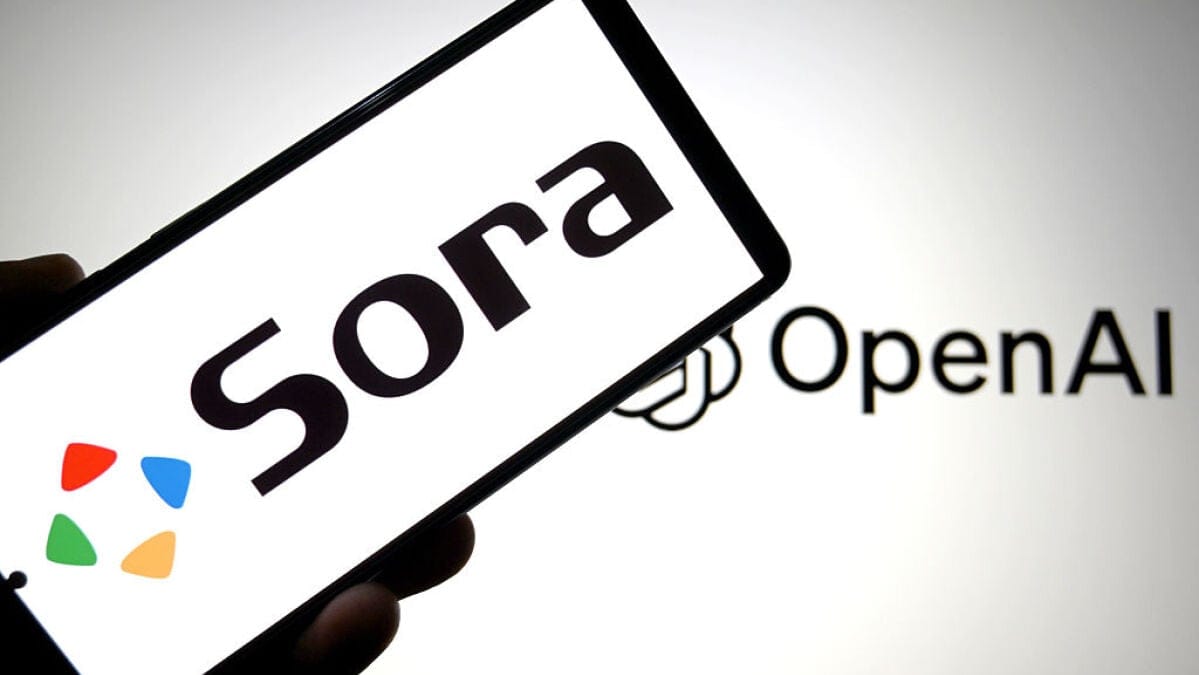
OpenAI announced a new pricing tier for its Sora platform, allowing users to pay for the creation of additional AI‑generated videos beyond the current free allowance. The change, reported by Mashable, is aimed at expanding the service’s capabilities for creators, marketers and developers who require higher volumes of video content.
Sora, the company’s generative‑video tool launched earlier this year, initially offered a limited number of free video renders per month to showcase the technology’s potential. Under the new model, users can purchase extra credits that unlock additional rendering time, higher resolution outputs, and priority processing. The pricing structure is tiered, with larger packages offering a lower cost per minute of video.
Industry analysts note that the move reflects a broader trend among artificial‑intelligence firms to monetize their content‑creation services as demand grows. "The shift toward a pay‑as‑you‑go model is consistent with how platforms like OpenAI are positioning themselves for commercial adoption," said a spokesperson for a technology research firm. The addition of a paid option also aligns Sora with competing products from other AI companies that already charge for large‑scale video generation.
OpenAI officials indicated that the paid tier will not affect the existing free quota, which will remain available for hobbyists and educational users. They emphasized that the extra credits are intended for professional use cases such as advertising campaigns, e‑learning modules, and rapid prototyping of visual concepts. "Our goal is to give creators flexible tools while ensuring the infrastructure can scale sustainably," an OpenAI representative said.
Critics have raised concerns about the environmental impact of large‑scale AI video rendering and the potential for misuse in deep‑fake scenarios. In response, OpenAI said it continues to invest in responsible‑use safeguards and will monitor how the paid credits are employed. The company plans to publish periodic transparency reports detailing usage patterns and any detected policy violations.
Overall, the introduction of a paid credit system marks a significant step in OpenAI’s strategy to commercialize its generative‑media offerings. Observers expect that the additional revenue stream will fund further research and improve the platform’s performance, while users gain more control over the volume and quality of AI‑generated video content they can produce.